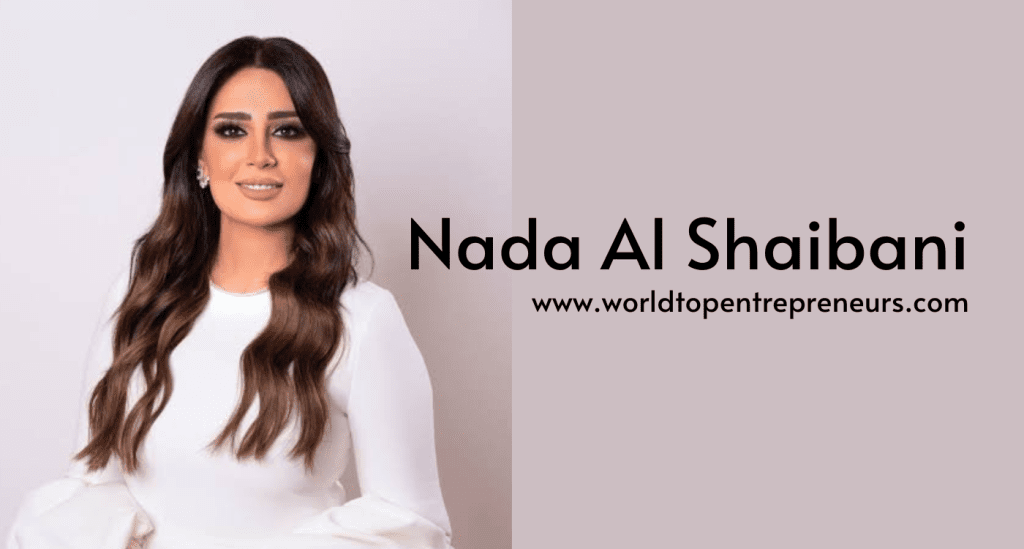
Nada Al Shaibani is a remarkable figure in the Gulf business and political landscape, with a career dedicated to advancing economic integration and development in the Gulf region. As a key member of the Gulf Cooperation Council (GCC), she has played a significant role in shaping the region’s economic policies, fostering inter-governmental cooperation, and supporting regional businesses. Her entrepreneurial journey, educational background, and business leadership have been pivotal in not only promoting economic growth but also ensuring that the Gulf countries continue to thrive in an increasingly globalized world.
This blog delves into Nada Al Shaibani’s entrepreneurial journey, her educational background, business background, the struggles she has faced, her successes, and her contributions through the Gulf Cooperation Council and various regional projects she has been involved in.
Early Life and Educational Background
Nada Al Shaibani’s journey to becoming one of the most influential figures in the Gulf’s economic and business sector began with a strong educational foundation. Born in the United Arab Emirates (UAE), Al Shaibani developed an early interest in the dynamics of international trade, politics, and regional cooperation. These interests were further nurtured through her academic pursuits.
Al Shaibani completed her undergraduate studies at a leading university in the UAE, majoring in Business Administration with a focus on international trade and economic development. Her passion for regional economics and multilateral cooperation led her to pursue graduate studies in International Relations and Global Economics, further expanding her understanding of the forces shaping the global market.
Her academic background enabled her to gain valuable insights into how economies and governments interact in a regional context, and how important cross-border initiatives are for achieving long-term economic stability. With a solid educational foundation, Al Shaibani was well-equipped to take on leadership roles in key organizations, particularly those focused on the economic growth and integration of the Gulf Cooperation Council.
Entrepreneurial Journey and Business Background
Nada Al Shaibani’s entrepreneurial journey is marked by a combination of visionary leadership and regional diplomacy. She began her career by working in various governmental and private sector organizations, where she gained significant experience in international trade, economic policy, and regional development.
Her role in the Gulf Cooperation Council (GCC), a political and economic union of six Middle Eastern countries—Bahrain, Kuwait, Oman, Qatar, Saudi Arabia, and the United Arab Emirates—has been one of her most influential. As part of the GCC, Al Shaibani has contributed to strengthening the region’s economic integration, business cooperation, and policy coordination.
Over the years, Al Shaibani worked closely with government officials, businesses, and international organizations to develop and implement strategies that supported cross-border trade, investment flows, and regional collaborations. She has been instrumental in several key GCC initiatives aimed at enhancing economic ties, including free trade agreements, joint infrastructure projects, and energy cooperation.
Through her work at the GCC, Al Shaibani has also contributed to the establishment of regional business networks. These networks have created opportunities for local businesses to access broader regional markets, fostering a more diverse economy and strengthening the economic foundations of the Gulf countries. By connecting businesses, policymakers, and entrepreneurs across the region, Al Shaibani has become a vital force in transforming the Gulf region into a global economic hub.
Her entrepreneurial spirit, however, extends beyond her work with the GCC. Al Shaibani is also involved in private sector ventures focused on technology, renewable energy, and sustainable development. These sectors have become crucial areas of focus for the Gulf region, as governments work to diversify their economies away from oil dependency and towards more sustainable, innovative industries.
In her private ventures, Al Shaibani has successfully leveraged her experience in government and policy-making to establish businesses that align with the broader objectives of the GCC. Through partnerships with international companies and regional stakeholders, she has created ventures that contribute to economic diversification, job creation, and technology-driven growth.
Struggles and Challenges
Nada Al Shaibani’s entrepreneurial and leadership journey has not been without its challenges. One of the primary struggles she faced early on was navigating the complexities of regional politics. The Gulf countries, while sharing a common goal of economic development, each have their own political dynamics, regulatory frameworks, and cultural contexts. This made intergovernmental collaboration a delicate balancing act.
Al Shaibani had to constantly manage diplomatic relations between the different GCC member states, ensuring that her initiatives were aligned with the interests of each country. Furthermore, implementing large-scale regional projects required overcoming obstacles related to political consensus, budgetary constraints, and the coordination of efforts between different governments and private sector entities.
Another significant challenge was economic diversification. While the Gulf economies have historically relied heavily on oil revenues, transitioning to a more diversified economy has been a gradual and difficult process. Al Shaibani and other leaders in the region faced the challenge of creating new industries that could thrive in a globalized world while reducing dependence on oil. This task required substantial investment in innovation, infrastructure, and human capital development—areas where progress was often slow.
Al Shaibani also faced the pressures of gender representation in the workforce. As a woman in a leadership position in a region where female participation in business and politics has traditionally been lower than in some other parts of the world, Al Shaibani has had to work harder to be recognized and respected in her field. Her success is a testament to her determination and ability to overcome barriers, and she has paved the way for other women to take on leadership roles in the Gulf region.
Successes and Achievements
Despite the challenges, Nada Al Shaibani’s career has been marked by a series of significant successes and achievements, both in the public and private sectors.
- Economic Integration: One of her major successes has been her role in enhancing the economic integration of the GCC countries. Through her work, Al Shaibani has helped streamline trade agreements, facilitated the free movement of goods and services, and supported the establishment of a unified regional market that allows businesses across the Gulf to thrive.
- Regional Infrastructure Projects: Al Shaibani has been instrumental in overseeing the implementation of various regional infrastructure projects, particularly in the areas of transportation, energy, and technology. These projects have improved connectivity between the GCC countries and bolstered the economic growth of the entire region.
- Fostering Business Cooperation: Al Shaibani has built and nurtured strong relationships with private sector players, allowing GCC-based businesses to collaborate on major regional and international projects. Through her efforts, she has helped Gulf companies expand their reach into new markets, fostering entrepreneurship and economic dynamism.
- Focus on Diversification: Al Shaibani’s work in diversifying the Gulf region’s economy has had a lasting impact. Her focus on non-oil sectors such as renewable energy, technology, and tourism has positioned the GCC countries to be competitive in the global marketplace. Her private sector ventures have contributed to this diversification, creating new job opportunities and promoting sustainable development.
- Supporting Women’s Leadership: Al Shaibani has also been a role model for women in leadership. By holding key positions in both the private and public sectors, she has shown that women can play an integral role in shaping the region’s economic future. Her work continues to inspire future generations of female leaders in the Gulf region.
Vision for the Future
Looking forward, Nada Al Shaibani remains committed to advancing the GCC’s economic goals. She envisions a more diversified and innovative economy in the Gulf region, where technology and sustainability play central roles. Her efforts will continue to focus on building stronger business networks, enhancing regional cooperation, and supporting the development of the next generation of entrepreneurs and leaders.
Al Shaibani is also passionate about ensuring that the Gulf countries continue to play a leading role in global markets. By advocating for continued economic reforms and regional collaboration, she hopes to create a future where the GCC is recognized not just for its energy resources but also for its technological innovations, sustainable industries, and dynamic business environment.
Conclusion
Nada Al Shaibani’s entrepreneurial journey and work with the Gulf Cooperation Council have had a profound impact on the economic development and integration of the Gulf region. Through her leadership, dedication, and vision, she has fostered economic growth, regional cooperation, and business diversification. Her work has paved the way for a more innovative, inclusive, and globalized Gulf economy, ensuring that the region remains at the forefront of global economic development for years to come.