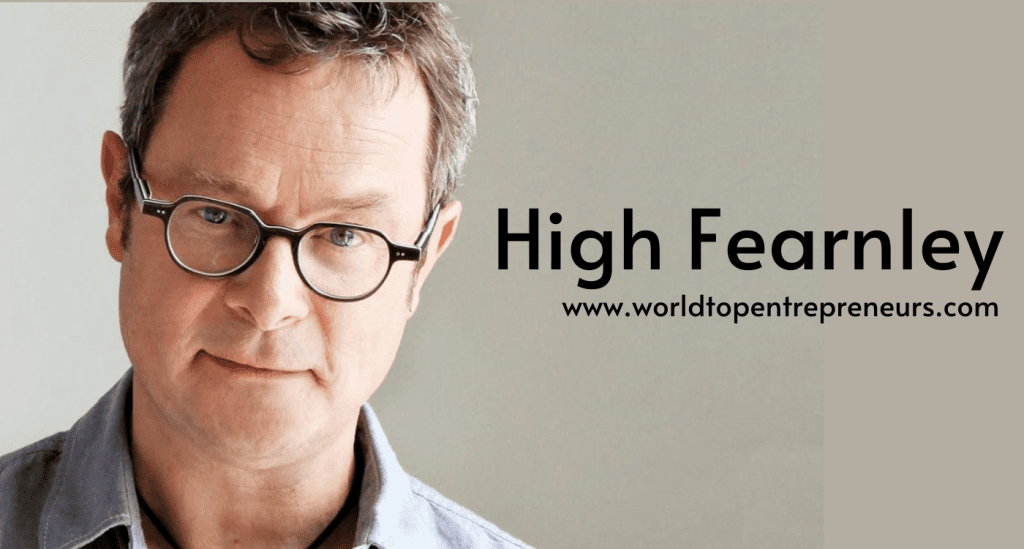
Hugh Fearnley-Whittingstall is a name that has become synonymous with ethical, sustainable, and local food sourcing in the UK. As the face of River Cottage, he has not only transformed the way people view food but also played an instrumental role in popularizing the concept of sustainable, farm-to-table eating. His dedication to high-quality ingredients, a deeper understanding of where food comes from, and his passion for working with local producers has made River Cottage one of the most respected food brands in the UK.
This blog takes a closer look at Hugh Fearnley-Whittingstall’s journey, his role in creating River Cottage, and the impact of his work on the British food scene.
Introduction:
When Hugh Fearnley-Whittingstall first came to prominence in the early 2000s, he did so with a focus on ethical and sustainable food practices. With a vision that extended beyond just delicious meals, he sought to bring the farm-to-fork philosophy into the mainstream. River Cottage, the food brand and ethos he created, became a beacon of sustainability, showcasing how to create beautiful meals that are good for both the environment and the consumer.
This blog delves into Hugh Fearnley-Whittingstall’s role in the creation and evolution of River Cottage, exploring his background, philosophy, and how his influence reshaped the way many people in the UK view food production, cooking, and sustainability.
Background: Hugh Fearnley-Whittingstall’s Early Life and Career
Born in 1965, Hugh Fearnley-Whittingstall grew up in the countryside, which sparked his lifelong love for nature, animals, and food. From an early age, he was interested in farming, fishing, and cooking, and these interests would later shape his professional life. After attending Oxford University, Fearnley-Whittingstall pursued a career in journalism, working for various publications.
It was during his time working as a journalist that Fearnley-Whittingstall began to understand the deeper, often hidden consequences of modern food production. He was particularly moved by the exploitation of animals in industrial farming practices, and his growing awareness of these issues inspired him to take action. His desire to make a change was the driving force behind his shift into the food industry.
The Birth of River Cottage:
In 1997, Hugh Fearnley-Whittingstall took a bold step and moved to a small farm in the Dorset countryside, where he established River Cottage. This move marked the beginning of his new lifestyle, one that centered around sustainable farming, ethical food sourcing, and living in harmony with nature. The name “River Cottage” reflected not only his location by a river but also his desire to build a food business that was deeply rooted in the land and community.
At River Cottage, Fearnley-Whittingstall began growing his own vegetables, raising animals ethically, and experimenting with small-scale farming. The idea was to create a self-sustaining farm that would serve as a model for sustainable living. He saw River Cottage not just as a business, but as an educational platform to share his philosophy of food with a wider audience.
Fearnley-Whittingstall’s vision for River Cottage was far beyond that of just running a restaurant or catering service. He wanted to create an educational hub where people could learn about sustainable food production, ethical meat consumption, and growing their own produce. This vision would come to life in multiple formats over the years, including television series, cookbooks, and workshops.
Hugh Fearnley-Whittingstall’s Role in River Cottage’s Growth:
As the founder of River Cottage, Hugh Fearnley-Whittingstall played a central role in every aspect of its growth and development. He was not only the driving force behind the ethos of sustainability and ethical food sourcing, but also an active participant in the operations of River Cottage. Here are some key aspects of his involvement:
- Pioneering Sustainable and Ethical Food
One of Hugh’s most notable contributions through River Cottage is his commitment to sustainable food practices. At a time when industrial farming and factory-produced meat were the norm, Fearnley-Whittingstall advocated for a different way of producing food — one that was kinder to the environment and animals. He pushed for a more ethical approach to sourcing meat, encouraging people to eat less meat but to prioritize quality and sustainability over quantity. River Cottage became a model for how food could be produced responsibly and in harmony with nature, promoting the benefits of small-scale farming.
- Educating the Public Through Television and Books
Fearnley-Whittingstall’s breakthrough came in 1999 when he started filming *River Cottage* for Channel 4. The show, which chronicled his attempts to live off the land and produce his own food, was an instant hit. It captivated audiences with its raw, hands-on approach to farming and food, as well as its message of self-sufficiency. The television series also delved into pressing issues in the food industry, such as factory farming, food waste, and the environmental impact of modern agriculture.
Fearnley-Whittingstall’s books, such as The River Cottage Cookbook, also contributed significantly to the brand’s growth. His cookbooks went beyond simple recipes; they encouraged readers to think critically about the origins of their food, its environmental impact, and the ethical considerations of their food choices.
- Promoting Local and Seasonal Produce
River Cottage became known for its emphasis on using local, seasonal ingredients. Hugh’s deep belief in the importance of knowing where your food comes from led to a focus on building relationships with local farmers, fishermen, and producers. This commitment to supporting local businesses not only enhanced the quality of the food but also helped to reduce the carbon footprint associated with food transportation. Fearnley-Whittingstall’s advocacy for seasonal eating encouraged people to be more mindful of their food choices, eating what is available in the local environment at any given time.
- Hosting Workshops and Events
River Cottage evolved into a hub for food enthusiasts looking to learn more about sustainable living. Fearnley-Whittingstall used his platform to host workshops, food events, and courses on everything from foraging to making cheese, from raising livestock to growing vegetables. These educational events were designed to empower people to live more sustainably and to reconnect with the origins of their food. Over time, River Cottage became a place for people to not only visit but to actively learn and participate in a movement toward ethical food production.
The Impact of River Cottage and Hugh Fearnley-Whittingstall on the UK’s Food Scene:
Hugh Fearnley-Whittingstall’s influence on the UK food scene cannot be overstated. Through River Cottage, he helped to popularize the idea of ethical, sustainable, and local food long before it became a mainstream concern. His unwavering dedication to these values has reshaped the way many Brits think about food production, consumption, and sourcing.
River Cottage’s impact extended far beyond the show and the farm itself. It sparked a nationwide movement towards more sustainable eating, where consumers are increasingly aware of the environmental and ethical implications of their food choices. By challenging traditional views on farming and food production, Fearnley-Whittingstall has helped put sustainability at the forefront of the UK food scene.
Conclusion:
Hugh Fearnley-Whittingstall’s role in the creation and success of River Cottage has been instrumental in bringing sustainability and ethical food sourcing into the public consciousness. His vision for food — one that is deeply connected to the land, responsible in its production, and mindful of its environmental impact — has helped shape the UK’s modern food culture. Through his television shows, books, and ongoing advocacy, Fearnley-Whittingstall has inspired a generation of food lovers to think more critically about where their food comes from and how it affects the world around them.
Today, River Cottage remains an enduring symbol of ethical eating and sustainable living, thanks to Hugh Fearnley-Whittingstall’s leadership and commitment to making the world a better place, one meal at a time.