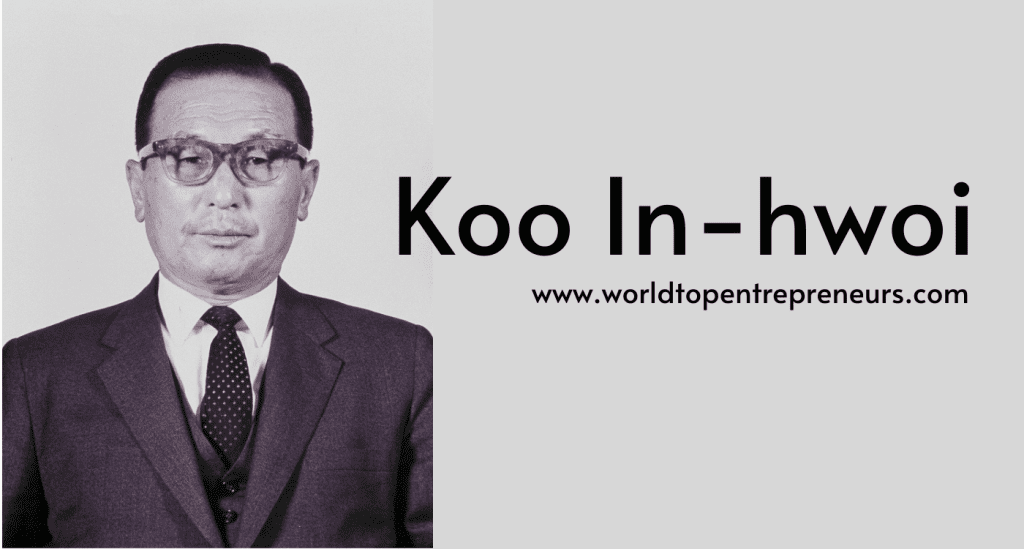
Koo In-Hwoi (1906–1969) stands as one of South Korea’s most influential business leaders, whose vision laid the foundation for the global conglomerate LG Group. His innovative thinking and dedication to excellence shaped LG into a symbol of Korean industrialization and global competitiveness. This blog delves into Koo’s life, his entrepreneurial journey, and his enduring legacy.
Early Life and Background
Born in Jinju, Gyeongsangnam-do, Koo In-Hwoi grew up in a rapidly changing Korea under Japanese colonial rule. Despite the challenges of the time, Koo demonstrated a keen entrepreneurial spirit from an early age. He recognized the need for self-reliance and innovation as pathways to national progress.
Founding LG
Koo In-Hwoi’s journey as a business leader began with the establishment of Lucky Chemical Industrial Corporation in 1947. The company initially focused on manufacturing cosmetics and hygiene products, including the iconic Lucky Cream. The brand quickly gained popularity, symbolizing modernization and improved living standards for the Korean people.
In 1958, Koo founded GoldStar, a company dedicated to electronics manufacturing. GoldStar produced Korea’s first radios, refrigerators, and televisions, heralding a new era of technological advancement in the country. These two companies—Lucky and GoldStar—later merged to form LG Corporation, an abbreviation reflecting the initials of the founding entities.
Strategic Vision
Koo In-Hwoi’s leadership philosophy was rooted in innovation and quality. He envisioned a Korean industrial giant capable of competing globally, a vision that drove him to invest heavily in research and development. He emphasized the importance of fostering local talent and adapting global technologies to suit the domestic market.
Contribution to South Korea’s Economy
Koo played a pivotal role in South Korea’s post-war economic recovery. Under his guidance, LG became a leader in multiple industries, including consumer electronics, chemicals, and telecommunications. By introducing modern manufacturing processes and focusing on exports, LG contributed significantly to the country’s industrialization and GDP growth.
Legacy and Succession
Koo In-Hwoi’s death in 1969 marked the end of an era, but his legacy continued through his family. His son-in-law, Koo Cha-kyung, succeeded him as the chairman of LG, ensuring the continuity of Koo In-Hwoi’s vision. Today, LG Group operates in over 80 countries, offering a diverse range of products and services under its globally recognized brand.
Key Lessons from Koo In-Hwoi’s Leadership
- Visionary Thinking: Koo anticipated trends in technology and consumer needs, positioning LG for long-term success.
- Commitment to Innovation: By investing in R&D, Koo ensured that LG stayed ahead of the competition.
- Focus on Quality: His emphasis on quality products earned LG customer trust and brand loyalty.
- National Pride: Koo’s efforts contributed to the modernization of South Korea and established it as a global economic powerhouse.
Conclusion
Koo In-Hwoi’s role in establishing and growing LG Group serves as an inspiring tale of vision, resilience, and innovation. His contributions to South Korea’s industrial landscape cannot be overstated, and his legacy continues to influence LG’s global operations. As one of the founding figures of Korea’s chaebol system, Koo In-Hwoi remains a symbol of entrepreneurial excellence and national pride.