Introduction: Bernard Arnault’s Vision for LVMH
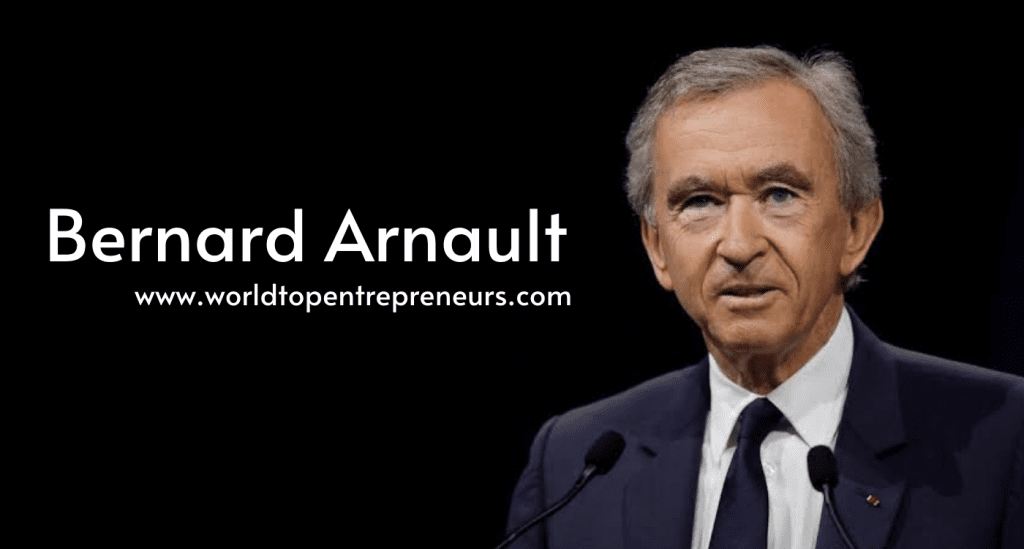
Bernard Arnault is not just a name but a symbol of power, luxury, and business acumen. As the chairman and CEO of LVMH Moët Hennessy Louis Vuitton, Arnault has built an empire that defines luxury across multiple industries, from high fashion to fine wines and spirits. Under his leadership, LVMH has grown from a French conglomerate into one of the world’s most valuable and influential companies in the luxury sector. Arnault’s vision and strategic direction have propelled LVMH to the forefront of global luxury, with over 70 prestigious brands under its umbrella.
In this blog, we’ll explore the life of Bernard Arnault, his remarkable career trajectory, his role in the creation and expansion of LVMH, and his lasting impact on the luxury world.
Early Life and Background: A Foundation for Success
Born on March 5, 1949, in Roubaix, France, Bernard Arnault grew up in a well-off family. His father, Jean Arnault, was the owner of a successful civil engineering company, and Bernard showed an early interest in business. Arnault studied engineering at the École Polytechnique, one of France’s most prestigious institutions. However, his true passion was in business and strategy, and after completing his studies, he began his professional journey.
After working in his father’s company for a few years, Arnault took a leap into the world of luxury goods, which would define his career. He made his first move in the fashion industry in 1984, when he acquired the Boussac Saint-Frères Group, a textile manufacturer that owned the Christian Dior brand. This acquisition would mark the beginning of Arnault’s legacy in luxury business development.
The Creation of LVMH: A Luxury Powerhouse
The pivotal moment in Bernard Arnault’s career came when he founded LVMH Moët Hennessy Louis Vuitton in 1987 through the merger of two iconic companies: Moët Hennessy, a leading French wine and spirits producer, and Louis Vuitton, a brand synonymous with luxury travel bags and accessories.
At the time, Louis Vuitton was an established luxury brand, but its influence was limited to its specific niche. Moët Hennessy, on the other hand, was a powerhouse in the wine and spirits market, with brands like Moët & Chandon and Hennessy. Arnault recognized the potential to unite these luxury brands under one umbrella, creating a diversified conglomerate that could dominate not just the fashion industry but multiple luxury sectors, including wines and spirits, perfumes, cosmetics, watches, and jewelry.
Arnault’s vision was clear: build a global luxury empire where craftsmanship, heritage, and innovation coexisted harmoniously. His philosophy emphasized the importance of brand identity and exclusivity, which became key values for LVMH.
Expanding the LVMH Portfolio: Strategic Acquisitions
One of the hallmarks of Bernard Arnault’s leadership has been his strategic acquisitions. Over the years, Arnault has built LVMH into a dominant force in luxury through the acquisition of numerous high-end brands that complement his vision. Some of the most notable acquisitions include:
- Christian Dior (1990): The acquisition of Christian Dior helped cement Arnault’s position as a key player in the fashion industry. Dior has long been a symbol of French elegance and style, and Arnault worked to enhance its global presence under the LVMH umbrella.
- Fendi (2001): Arnault’s acquisition of Italian fashion house Fendi helped expand LVMH’s presence in the luxury fashion market. The brand’s bold, innovative designs added a new dimension to the conglomerate’s portfolio.
- Sephora (1997): The purchase of Sephora, a French cosmetics retailer, significantly boosted LVMH’s presence in the beauty sector. Today, Sephora is one of the world’s leading beauty chains, offering a range of high-end skincare, makeup, and fragrance products.
- Givenchy (1988): By acquiring Givenchy, a cornerstone of French haute couture, Arnault added another pillar of fashion expertise to LVMH. The brand’s sophisticated and timeless appeal continues to resonate with fashion enthusiasts worldwide.
- Tiffany & Co. (2021): The acquisition of Tiffany & Co., one of the most renowned luxury jewelry brands in the world, further solidified Arnault’s dominance in the luxury goods industry. Tiffany’s iconic designs and rich heritage perfectly aligned with LVMH’s commitment to quality and exclusivity.
These acquisitions, among many others, helped create a diversified portfolio that now spans fashion, leather goods, perfumes, wines, spirits, and jewelry. Today, LVMH owns over 70 prestigious brands, including Louis Vuitton, Moët & Chandon, Fendi, Bulgari, Hennessy, Dom Pérignon, and many more.
Leadership and Business Philosophy: The Man Behind the Brand
Bernard Arnault’s business philosophy centers around the idea that luxury should be rooted in heritage and craftsmanship, but also evolve to meet modern trends and global demands. Under his leadership, LVMH has placed a strong emphasis on quality, exclusivity, and innovation, values that permeate every brand within the group.
Arnault believes that brand identity is paramount and has been instrumental in maintaining the distinctiveness of each LVMH brand. Unlike other conglomerates that prioritize uniformity, Arnault has given each brand within LVMH a degree of autonomy, allowing them to maintain their unique heritage while benefiting from the shared resources and global reach of the group. This strategy has ensured that LVMH’s brands continue to thrive without losing their individuality.
Arnault is also a visionary in marketing and retail strategies. His retail empire spans the globe, and LVMH’s stores are destinations that offer a curated experience, making the act of shopping for luxury goods an immersive journey. The focus on providing personalized service, alongside cutting-edge design and exclusive products, has made LVMH stores a beacon of luxury.
In addition to his business prowess, Arnault is also a patron of the arts. He believes that the arts and luxury go hand in hand, and LVMH has been involved in numerous cultural and artistic initiatives. Through the Fondation Louis Vuitton, Arnault has championed contemporary art and created a cultural landmark in Paris designed by architect Frank Gehry.
LVMH Today: A Global Luxury Powerhouse
Under Bernard Arnault’s leadership, LVMH has grown into one of the largest and most successful luxury conglomerates in the world. As of 2024, LVMH’s market capitalization exceeds $500 billion, making it the most valuable luxury company globally. The company’s portfolio continues to expand, with brands in virtually every luxury sector, from fashion and watches to spirits and hospitality.
LVMH’s success under Arnault is not just about acquisitions and expansion—it’s about building brands that remain at the cutting edge of luxury, style, and cultural influence. The conglomerate’s ability to maintain consistent growth, even in times of economic uncertainty, is a testament to Arnault’s strategic vision and management expertise.
Bernard Arnault’s Legacy: The King of Luxury
Bernard Arnault is often regarded as one of the world’s most influential and successful businessmen. As of 2024, he is regularly listed among the wealthiest individuals on the planet, frequently competing with Elon Musk and Jeff Bezos for the top spots. However, his legacy goes beyond wealth; Arnault has redefined what it means to build a global luxury empire.
Through his unmatched business acumen, innovative leadership, and relentless pursuit of excellence, Arnault has turned LVMH into a global symbol of luxury, refinement, and artistry. His influence on the luxury goods industry is unparalleled, and his strategies continue to set the standard for how luxury brands should operate in the modern world.
Conclusion: A Visionary Leader Who Shaped Luxury
Bernard Arnault’s journey from a young engineer to the chairman and CEO of the world’s largest luxury conglomerate is nothing short of extraordinary. His strategic leadership and foresight have allowed LVMH to evolve into an empire that blends tradition with modernity, crafting an identity that resonates with customers worldwide. Today, LVMH remains a force to be reckoned with in the world of luxury, and Bernard Arnault’s legacy as one of the most successful business leaders of the 21st century is firmly secured.