Introduction
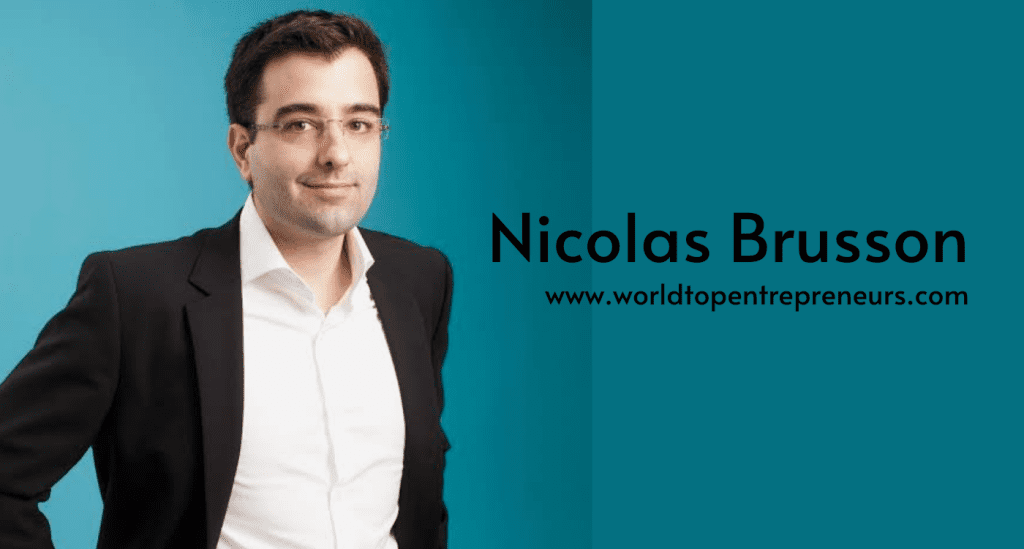
Nicolas Brusson is a French entrepreneur and the co-founder and CEO of BlaBlaCar, the world’s leading carpooling platform. Known for his innovative approach to shared mobility, Brusson has played a pivotal role in transforming BlaBlaCar from a small startup into a global phenomenon that connects millions of travelers.
Under his leadership, BlaBlaCar has disrupted traditional transport systems by offering an affordable, sustainable, and community-driven alternative to public and private transportation. This blog delves into Nicolas Brusson’s journey, his vision for BlaBlaCar, and the company’s impact on the future of mobility.
Early Life and Career
Born in France, Nicolas Brusson pursued an engineering degree at École Centrale Paris and later earned an MBA from INSEAD, one of the world’s leading business schools. His academic background combined with his passion for innovation and technology set the foundation for his entrepreneurial journey.
Before co-founding BlaBlaCar, Brusson gained valuable experience in venture capital and startups while working at Amadeus Capital Partners and Gemini Consulting. These roles not only sharpened his business acumen but also exposed him to the challenges and opportunities in scaling tech-driven companies.
The Birth of BlaBlaCar
BlaBlaCar was founded in 2006 by Frédéric Mazzella, Nicolas Brusson, and Francis Nappez. The idea for BlaBlaCar originated when Mazzella, looking for a ride home during the holiday season, noticed the inefficiency of empty seats in cars on highways.
Nicolas Brusson joined the venture early on, bringing his expertise in scaling businesses and his belief in the potential of a peer-to-peer economy. Together, the trio envisioned a platform that could connect drivers with empty seats to passengers traveling the same route.
The platform’s name, BlaBlaCar, reflects its social element—users indicate their level of chattiness (“Bla,” “BlaBla,” or “BlaBlaBla”) in their profiles to match compatible travel companions.
Nicolas Brusson’s Role in BlaBlaCar
As co-founder and later CEO, Nicolas Brusson’s leadership has been instrumental in shaping BlaBlaCar into a trusted global brand. His contributions can be summarized across several key areas:
1. Scaling the Business:
Brusson focused on international expansion early in BlaBlaCar’s journey, entering markets across Europe, Asia, and South America. By 2024, BlaBlaCar operated in over 22 countries, connecting millions of users worldwide.
2. Innovative Business Model:
He championed the development of BlaBlaCar’s freemium model, where the platform initially offered free services before transitioning to a commission-based model. This strategy helped the platform grow its user base while generating revenue.
3. Technology-Driven Approach:
Brusson prioritized investment in technology to ensure seamless user experiences. From advanced algorithms for route optimization to secure payment systems, he ensured BlaBlaCar remained at the forefront of digital innovation.
4. Sustainability Advocacy:
A staunch advocate for sustainability, Brusson positioned BlaBlaCar as an eco-friendly alternative to individual car ownership and public transport. By optimizing car usage, the platform significantly reduces carbon emissions.
5. Community Building:
Nicolas Brusson emphasized the importance of trust and community within BlaBlaCar. Features like verified profiles, user reviews, and insurance partnerships helped foster a sense of security and belonging among users.
Impact of BlaBlaCar
Since its inception, BlaBlaCar has had a profound impact on transportation and society:
- Affordability: By allowing drivers and passengers to share travel costs, BlaBlaCar offers a budget-friendly alternative to traditional transportation.
- Sustainability: BlaBlaCar reduces the number of vehicles on roads, contributing to lower greenhouse gas emissions.
- Cultural Exchange: The platform’s social element fosters connections between people from diverse backgrounds, promoting shared experiences and understanding.
- Economic Efficiency: Drivers earn extra income by offering rides, and passengers save on travel expenses, creating a win-win scenario.
Challenges and Resilience
BlaBlaCar faced several challenges under Brusson’s leadership, including regulatory hurdles in various countries and competition from ride-sharing giants like Uber.
However, Brusson’s strategic vision allowed the company to adapt and thrive. For instance, he oversaw the launch of BlaBlaBus to complement the carpooling service and expand the company’s reach in the long-distance travel market.
The COVID-19 pandemic also tested BlaBlaCar’s resilience, as travel restrictions led to a temporary decline in usage. Under Brusson’s guidance, the company focused on rebuilding trust by implementing safety measures and leveraging digital tools to navigate the crisis.
Legacy and Vision
Nicolas Brusson’s leadership at BlaBlaCar has left an indelible mark on the transportation industry. By championing shared mobility, he has demonstrated how technology can solve real-world problems while creating economic and environmental value.
Looking ahead, Brusson envisions a future where BlaBlaCar continues to innovate in shared mobility, integrating electric vehicles and further enhancing the sustainability of its offerings. His focus remains on connecting people while making travel more efficient and environmentally friendly.
Conclusion
Nicolas Brusson’s entrepreneurial journey and leadership at BlaBlaCar highlight the power of vision, innovation, and perseverance. From humble beginnings to becoming the world’s largest carpooling platform, BlaBlaCar is a testament to Brusson’s ability to identify opportunities, tackle challenges, and create meaningful impact.
As BlaBlaCar continues to evolve, Nicolas Brusson’s legacy as a pioneer in shared mobility will inspire future generations to think creatively and work toward sustainable solutions for global challenges.