Introduction
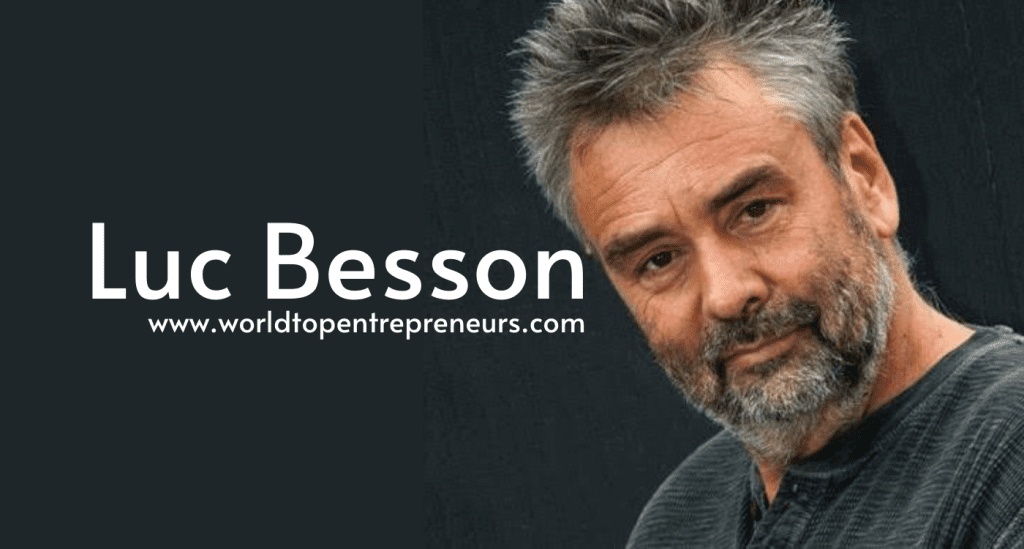
Luc Besson, a name synonymous with bold cinematic vision and genre-defining storytelling, is one of France’s most renowned filmmakers and entrepreneurs. As the founder of EuropaCorp, a film production and distribution company, Besson revolutionized the way French cinema engages with global audiences. Known for hits like Léon: The Professional, The Fifth Element, and Taken, Besson has left an indelible mark on both Hollywood and the international film scene.
However, Besson’s impact goes beyond filmmaking. As the founder and leader of EuropaCorp, he sought to create a platform for storytelling that not only catered to the French market but also had global ambitions. With a focus on creating high-budget action films and producing French-language films for international audiences, EuropaCorp emerged as a significant force in the entertainment industry under Besson’s direction. This blog will explore Luc Besson’s vision, his role in shaping EuropaCorp, and the company’s legacy within the entertainment world.
Early Life and Career
Luc Besson was born in Paris, France in 1959. From an early age, he showed a passion for cinema, and by his teenage years, Besson had already begun making short films. He attended the IDHEC (Institute of Advanced Cinematographic Studies) and quickly made a name for himself in the French film industry. After his early successes with films like Le Dernier Combat (1983) and Subway (1985), Besson solidified his place as one of the most distinctive voices in French cinema.
His breakthrough came in 1994 with the international hit Léon: The Professional, which not only showcased his skill as a director but also cemented his ability to blend action with emotional depth. His penchant for creating visually stunning, highly stylized films became his signature, making him an iconic figure in the action genre.
Throughout the late 1990s and early 2000s, Besson continued to build his reputation with films like The Fifth Element (1997), a sci-fi spectacle that achieved global success. These films helped Besson move beyond the French film industry and into international recognition, particularly in Hollywood, where he was seen as a creative force.
The Birth of EuropaCorp: Vision of a Global Entertainment Powerhouse
The idea of EuropaCorp emerged from Besson’s desire to have more creative control over his projects. In 1999, Besson founded EuropaCorp, a French multinational film production and distribution company, with the goal of creating a studio that would allow him to produce films that transcended national boundaries. His ambition was to create French films with the same global appeal as Hollywood blockbusters, and EuropaCorp became the platform through which he could make that dream a reality.
The company was not just focused on making French films; it aimed to break into the international market with big-budget action films, often incorporating elements of French culture while appealing to a global audience. EuropaCorp would go on to produce films that blend commercial appeal with artistic expression, a niche Besson carved for himself and his company.
EuropaCorp’s first major success was the Taxi series, which began in 1998. The films, a mix of action and comedy, enjoyed success both in France and abroad, establishing the company as a new player in the film industry. However, it was Taken (2008), starring Liam Neeson, that truly catapulted EuropaCorp into the global spotlight. With its compelling story, fast-paced action, and Besson’s signature style, Taken became a surprise box office smash, grossing over $226 million worldwide. The film’s success laid the groundwork for future franchises, and Taken became one of the most successful action franchises of the 2000s.
Luc Besson’s Leadership at EuropaCorp: Impact and Innovations
Under Besson’s leadership, EuropaCorp became synonymous with high-octane action films and innovative cinematic experiences. While many of the company’s productions were influenced by Besson’s unique filmmaking style, the company also produced films by other directors, helping to elevate the global presence of French cinema.
1. A Platform for International Filmmakers
Besson’s decision to broaden the scope of EuropaCorp beyond French cinema was crucial to its global success. The company became a hub for both French and international filmmakers, attracting talent from all over the world. EuropaCorp worked with a variety of directors, writers, and actors, which helped the company produce films that appealed to a diverse, global audience.
EuropaCorp’s partnerships with major Hollywood studios and distributors allowed the company to tap into larger international markets, and their films were often released in both English and French, enabling them to reach broader audiences without compromising on their artistic integrity.
2. The Rise of Franchises
A key element of Besson’s strategy for EuropaCorp was the creation and development of franchises. Taken led to two sequels, Taken 2 (2012) and Taken 3 (2014), and helped establish a trend for successful action franchises coming out of EuropaCorp. The studio’s subsequent franchises, like Transporter (2002) and The Transporter Refueled (2015), followed a similar pattern of high-energy action mixed with compelling characters.
Besson’s commitment to creating franchises made EuropaCorp one of the most recognized brands in action films. Additionally, the Luc Besson brand became synonymous with thrillers and action films that had heart and substance.
3. Film Production, Distribution, and Innovation
Besson’s company was also an innovator in the area of film distribution. Through its partnerships with international studios, EuropaCorp gained access to wider distribution networks, which enabled films to reach audiences across the globe. This global distribution strategy was key to the success of many of EuropaCorp’s projects, including films like Lucy (2014), starring Scarlett Johansson. The movie not only became a worldwide hit, but it also pushed boundaries in terms of both subject matter and visual effects, solidifying Besson’s status as a leader in high-concept action filmmaking.
The Challenges and Legacy of EuropaCorp
Despite its many successes, EuropaCorp faced significant challenges in the later years. The company struggled with financial instability, particularly after the underperformance of some of its more ambitious projects, such as Valerian and the City of a Thousand Planets (2017), which, despite its visual grandeur, did not meet box-office expectations.
However, Luc Besson’s vision for EuropaCorp’s potential as a globally recognized entertainment powerhouse cannot be understated. Under his leadership, the company played a significant role in bridging the gap between French cinema and Hollywood, helping to elevate international filmmaking and create a space for foreign films to thrive in a competitive industry.
Moreover, Luc Besson’s legacy in the entertainment industry is marked by his consistent ability to merge French cinematic sensibilities with international market needs. While his personal brand may have faced controversies in recent years, his achievements in shaping EuropaCorp and his transformative impact on global cinema remain undeniable.
Conclusion
Luc Besson’s journey from acclaimed filmmaker to founder of EuropaCorp has been a remarkable one. With an unwavering vision, Besson built a company that helped redefine French cinema, creating globally recognized action films that left an indelible mark on the entertainment industry. EuropaCorp continues to be a symbol of his creative ambition and entrepreneurial spirit, even as it navigates the challenges of the modern film business.
Besson’s influence in shaping the future of filmmaking, especially in terms of creating large-scale franchises and pushing the boundaries of international cinema, will undoubtedly continue to resonate for years to come. Luc Besson, through EuropaCorp, proved that with innovation, passion, and a bold vision, even the most fiercely competitive industries like Hollywood can be shaped and redefined by outsiders.