Introduction
In the rapidly evolving world of digital advertising, few companies have made as significant an impact as Criteo. Founded in 2005 by Jean-Baptiste Rudelle, Criteo has emerged as a leader in performance marketing and personalized online advertising. Today, Criteo is recognized for its innovative approach to retargeting and its ability to help businesses of all sizes drive sales through highly targeted ads.
Jean-Baptiste Rudelle’s entrepreneurial vision and deep understanding of technology have been instrumental in shaping Criteo’s success. What started as a small startup has grown into a global powerhouse in digital advertising, serving thousands of clients across the world. In this blog, we will dive into Rudelle’s background, the founding of Criteo, the company’s growth and impact on the digital advertising ecosystem, and his lasting legacy.
Jean-Baptiste Rudelle: The Entrepreneurial Journey
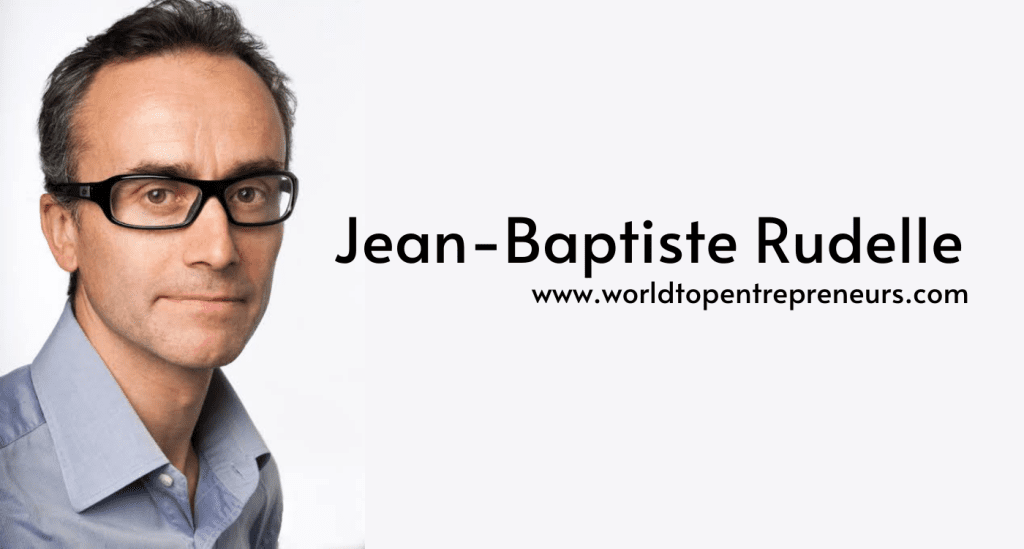
Jean-Baptiste Rudelle is a French entrepreneur and the co-founder of Criteo, a company that specializes in digital advertising. Before founding Criteo, Rudelle had a background in computer science and engineering, having studied at the prestigious École Polytechnique in France, one of the leading institutions in technology and business education.
Rudelle’s interest in technology and entrepreneurship was evident early on. Before starting Criteo, he worked in various tech-related roles, gaining valuable experience that would later influence his work in the advertising industry. His background in data science and algorithms laid the foundation for Criteo’s success in the world of online marketing.
Founding Criteo: The Birth of a Digital Advertising Giant
In 2005, Jean-Baptiste Rudelle, along with François-Nicolas Hruschka and Romain Niccoli, founded Criteo with the goal of revolutionizing online advertising. The company was born out of the need to provide businesses with better tools for driving sales through targeted ads, addressing the inefficiencies that existed in traditional display advertising.
The idea behind Criteo was simple yet powerful: use technology and data to deliver personalized ads to the right consumers at the right time. At the time, the digital advertising landscape was still relatively young, and many businesses struggled to reach their audience effectively. Rudelle and his team sought to harness the power of machine learning and data analytics to solve this problem.
Criteo’s initial product was built around retargeting, a technique where ads are shown to users who had previously visited a website but did not make a purchase. This allowed businesses to re-engage potential customers and remind them of products they had shown interest in. By using advanced algorithms to serve these personalized ads, Criteo’s solution helped businesses improve their conversion rates and drive higher returns on ad spend.
Criteo’s Growth and Impact on Digital Advertising
Under Rudelle’s leadership, Criteo quickly gained traction and began expanding its services to advertisers worldwide. The company’s focus on data-driven, personalized advertising allowed it to differentiate itself in a crowded market. Over the years, Criteo’s advertising technology evolved, adding new features and capabilities, such as predictive algorithms and dynamic retargeting, which further boosted its effectiveness.
Some key milestones in Criteo’s journey include:
- Rapid Expansion: In just a few years, Criteo grew from a small French startup to a global player in the digital advertising space. The company expanded into international markets and formed partnerships with major advertising networks, such as Google and Facebook.
- Going Public: In 2013, Criteo went public on the NASDAQ stock exchange, raising significant capital to further fuel its expansion and innovation. This move solidified Criteo’s position as one of the leading companies in the digital advertising industry.
- Technological Advancements: Criteo continuously innovated, incorporating machine learning, artificial intelligence, and big data analytics into its advertising solutions. This enabled the company to provide highly personalized, scalable, and effective advertising solutions for its clients.
- Acquisitions: As part of its growth strategy, Criteo made several key acquisitions, including the purchase of HookLogic in 2016, a move that strengthened its presence in the retail media sector and enhanced its offerings for e-commerce businesses.
- Diversification of Offerings: Over time, Criteo expanded its product suite beyond retargeting to include solutions for customer acquisition, product recommendations, and advertising on mobile apps. This helped the company cater to a broader range of advertisers and adapt to the changing needs of the digital advertising ecosystem.
Jean-Baptiste Rudelle’s Legacy and Leadership
Jean-Baptiste Rudelle’s leadership and vision have been integral to Criteo’s success. He has built a company that not only pioneered performance marketing but also set new standards for personalized advertising. His deep understanding of technology and data science has enabled Criteo to stay ahead of the curve, continually evolving and adapting to the changing digital landscape.
Rudelle’s ability to foster innovation and growth at Criteo is a testament to his entrepreneurial spirit. His focus on scalable, data-driven solutions has helped thousands of businesses improve their advertising efforts, increase customer engagement, and drive higher revenues. His leadership has shaped Criteo into a company that is at the forefront of the advertising technology industry, helping it maintain its competitive edge and expand its reach.
Beyond his work at Criteo, Rudelle is also known for his contributions to the startup ecosystem and his mentorship of other entrepreneurs. His commitment to technology and innovation continues to inspire many in the tech and advertising industries.
The Future of Criteo and Rudelle’s Influence
While Jean-Baptiste Rudelle stepped down as CEO of Criteo in 2017, his influence on the company remains significant. Under the leadership of Megan Clarken, Criteo has continued to innovate and grow, expanding its capabilities in areas like AI-driven advertising and cross-channel marketing. Criteo’s mission remains to help advertisers reach their target audiences with highly personalized and effective ads.
Rudelle’s role in shaping Criteo’s early success laid the foundation for the company’s future trajectory. Criteo is now seen as a leader in performance-based advertising, helping businesses of all sizes leverage data and technology to drive measurable results.
Looking ahead, Criteo is poised to continue its growth as a global leader in digital advertising, with a strong emphasis on privacy-first solutions and data-driven marketing strategies. The company’s ongoing innovation ensures it will remain a key player in the rapidly evolving world of digital advertising.
Conclusion
Jean-Baptiste Rudelle’s journey from a tech entrepreneur to the founder of Criteo is a story of vision, innovation, and determination. His work has reshaped the way businesses approach digital advertising, making it more personalized, efficient, and effective. Through his leadership, Criteo has grown into a global powerhouse in performance marketing, helping thousands of businesses reach their customers with the right message at the right time.
Rudelle’s legacy continues to inspire the advertising and tech industries, as his company’s pioneering approach to personalized ads and machine learning has set new standards for the digital advertising world. As Criteo continues to evolve and innovate, Jean-Baptiste Rudelle’s role in the company’s founding and growth will forever be remembered as a turning point in the history of advertising technology.