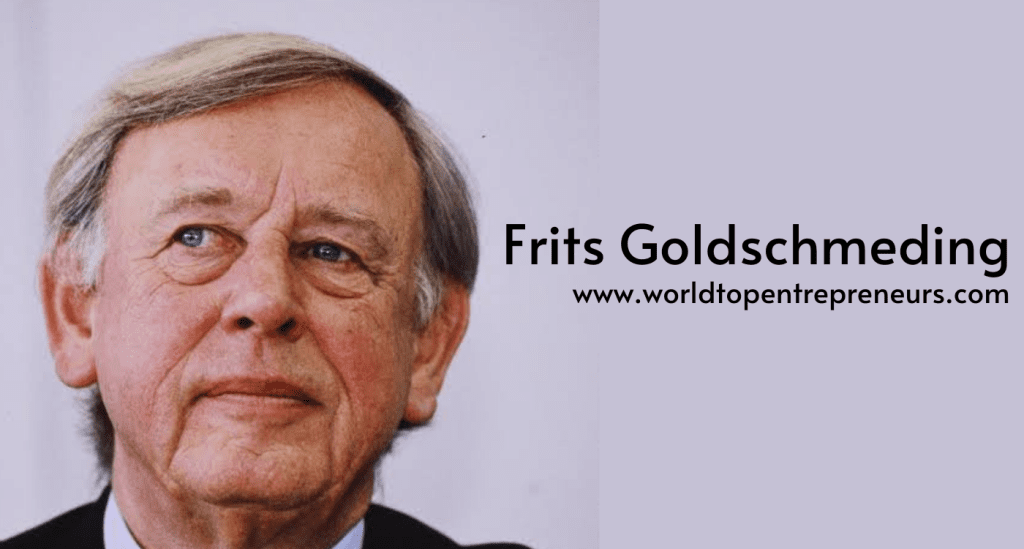
Introduction: Who Is Fits Goldschemeding?
Fits Goldschemeding is a distinguished figure in the world of business and recruitment, known for his visionary leadership and pivotal role at Randstad, one of the world’s largest staffing and recruitment agencies. As a key player in Randstad’s success, Goldschemeding has steered the company through significant challenges, helping it evolve into a global leader in human resource solutions.
Goldschemeding’s leadership style, focused on innovation, agility, and corporate responsibility, has set a high standard for companies in the recruitment industry. His strategic approach to managing a diverse, multinational organization in a rapidly changing global economy has made Randstad a formidable force in the talent acquisition sector. This blog will explore Fits Goldschemeding’s career, his impact on Randstad, and his lasting contributions to the global staffing industry.
Early Life and Education: The Foundation for Leadership
Fits Goldschemeding was born in the Netherlands and, like many leaders in the corporate world, his early education and experiences laid the foundation for his future success. He attended Rotterdam Erasmus University, where he obtained a degree in economics, a discipline that gave him a solid understanding of business strategy, economics, and organizational behavior.
During his academic years, Goldschemeding developed an interest in leadership and organizational development, areas that would define his later career. He recognized the potential of recruitment and human resource management as crucial areas for business growth, setting the stage for his role in Randstad.
Joining Randstad: A Key Turning Point
In the early 2000s, Fits Goldschemeding joined Randstad, a global staffing company that was already a leader in the recruitment industry but was still looking to expand its global footprint and modernize its operations. Goldschemeding’s entry into the company marked the beginning of a new era for Randstad, as his innovative thinking and strategic vision would play a critical role in the company’s development.
Goldschemeding took on several key roles within Randstad over the years, each contributing to his eventual position as CEO. His deep understanding of the recruitment sector, combined with his ability to identify new business opportunities and optimize operational processes, helped Randstad navigate through various market challenges and expand its reach into new regions.
Strategic Leadership: Goldschemeding’s Impact on Randstad
As CEO of Randstad, Fits Goldschemeding’s leadership has been characterized by several key initiatives that transformed the company into a global powerhouse in recruitment and staffing. His strategic decisions and forward-thinking approach played an instrumental role in Randstad’s growth.
1. Global Expansion and Mergers
Under Goldschemeding’s leadership, Randstad focused heavily on expanding its footprint in emerging markets and strengthening its presence in existing markets. One of his most significant strategies was the acquisition of smaller staffing firms in key regions, which allowed Randstad to quickly scale its operations and gain market share in strategic areas.
A prime example of this is the acquisition of Monster Worldwide in 2016. This move helped Randstad integrate technology and innovation into its recruitment services, creating synergies that allowed the company to better serve clients globally. Goldschemeding’s understanding of the global workforce landscape and his focus on expansion played a critical role in Randstad’s ability to stay competitive and relevant in a rapidly evolving industry.
2. Technology and Innovation Integration
Goldschemeding was also a key advocate for incorporating technology and digital tools into Randstad’s operations. Recognizing the increasing role that digital platforms were playing in recruitment, he pushed for the integration of data analytics, artificial intelligence, and automation into the company’s recruitment processes.
Randstad’s digital transformation under Goldschemeding helped streamline operations, improve candidate matching algorithms, and increase the efficiency of staffing solutions for both employers and job seekers. By embracing digital technology, Goldschemeding enabled Randstad to stay ahead of competitors and deliver more value to clients and candidates in an increasingly digital world.
3. Commitment to Corporate Social Responsibility (CSR)
Another key aspect of Fits Goldschemeding’s leadership at Randstad has been his commitment to corporate social responsibility (CSR). Goldschemeding recognized that Randstad’s role was not just about recruitment but also about fostering a positive impact on society. He introduced several initiatives to promote workforce diversity, inclusivity, and social mobility.
For example, Randstad under Goldscheming launched programs to help unemployed people, especially youth and marginalized communities, find sustainable employment. This focus on social innovation has not only helped thousands of people find meaningful work but has also positioned Randstad as a socially responsible leader in the global recruitment sector.
4. Talent Development and Employee Well-being
Goldscheming was deeply committed to creating a culture at Randstad that valued employee well-being and career development. His leadership emphasized the importance of nurturing talent within the organization. He championed leadership development programs, mentorship, and learning opportunities, ensuring that Randstad’s workforce had the skills needed to meet the challenges of the future.
This focus on internal growth has allowed Randstad to maintain a motivated, skilled workforce capable of adapting to an ever-changing job market. Goldscheming’s investment in people has been one of the cornerstones of Randstad’s continued success.
Impact and Legacy: Goldscheming’s Lasting Contributions
Under Fits Goldscheming’s leadership, Randstad has grown into a global recruitment leader with a presence in over 40 countries and more than 35,000 employees worldwide. His strategic vision and leadership have significantly shaped the company’s success in the 21st century.
1. Enhanced Brand and Global Presence
Goldscheming’s efforts to expand Randstad’s global reach, combined with his strategic acquisitions, have solidified the company’s position as a global leader in staffing and recruitment. Randstad’s recognition as a trusted partner in talent acquisition has contributed to its reputation as a highly respected brand in the industry.
2. Digital Innovation
Through the integration of technology and AI, Goldscheming has set Randstad apart as an innovative company. His advocacy for data-driven recruitment has not only improved the efficiency of Randstad’s services but also helped the company lead the way in leveraging big data and artificial intelligence to match job seekers with employers.
3. Corporate Social Responsibility (CSR)
Goldscheming’s commitment to social causes, diversity, and inclusion has made Randstad a socially responsible corporation. His initiatives have had a lasting impact on both the recruitment industry and the broader communities Randstad serves. Randstad’s CSR efforts under Goldscheming are a model for other companies in the staffing and HR sector.
Conclusion: A Visionary Leader in the Staffing Industry
Fits Goldscheming’s career is a testament to the power of strategic vision and innovative leadership in transforming a company into a global leader. His work at Randstad has not only expanded the company’s market presence but also set the stage for the integration of technology in the recruitment industry. Goldscheming’s leadership has helped Randstad evolve in a rapidly changing world, positioning it as a company that champions both technological innovation and corporate responsibility.
Goldscheming’s legacy will be remembered as a combination of business success and social impact. His contributions to Randstad, particularly in the realms of digital transformation, global expansion, and workforce diversity, will continue to shape the recruitment industry for years to come.