Introduction to François Pinault
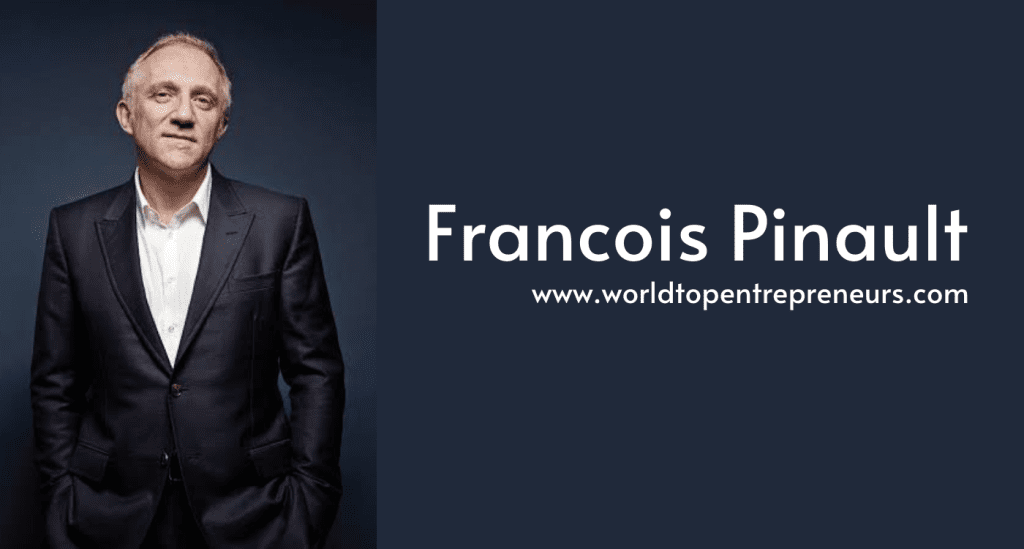
François Pinault is one of the most influential figures in the global luxury industry. As the founder of Kering, a multinational corporation that owns some of the world’s most prestigious fashion brands, Pinault has redefined luxury retail and made a significant mark on the world of business. From his beginnings in the timber industry to becoming a leader in luxury fashion, his journey is a testament to strategic vision, innovation, and entrepreneurship.
In this blog, we delve into the life, career, and entrepreneurial journey of François Pinault, exploring his pivotal role in shaping Kering and his broader influence on the luxury market.
Early Life and Career Beginnings
François Pinault was born on August 21, 1936, in Les Champs-Géraux, a small town in Brittany, France. His humble beginnings shaped his work ethic and entrepreneurial spirit. Pinault was raised in a family of farmers, and after completing his education in France, he entered the world of business with a focus on timber. In the early years, he worked with his father in the timber industry, and by the age of 25, he founded Pinault SA, a timber trading company.
Pinault quickly recognized the potential for growth in the industry and expanded his operations into construction and other related sectors. Over time, he diversified his business interests and began making strategic acquisitions, including in retail and luxury goods, which would eventually lead to the formation of Kering.
The Formation of Kering
In the 1980s, François Pinault made a pivotal decision that would define his career: he shifted his focus from timber and construction to the luxury goods market. His first significant acquisition in the luxury sector was Pinault-Printemps-Redoute (PPR), a French retail group that had been struggling at the time. Pinault saw potential in transforming the business, and he expanded its portfolio by acquiring companies in the luxury, fashion, and retail sectors.
In 1997, PPR made its first major move into luxury fashion by acquiring the Italian fashion house Gucci. This acquisition was a game-changer for the company, signaling the beginning of PPR’s transformation into a global luxury conglomerate. Over the next decade, Pinault and his team would continue to acquire and develop iconic luxury brands, including Yves Saint Laurent, Alexander McQueen, Balenciaga, and Boucheron, among others.
The rebranding of PPR into Kering in 2013 marked a new era for the company, focusing entirely on the luxury, sports, and lifestyle sectors. This strategic shift solidified Kering’s position as one of the world’s largest luxury goods conglomerates, rivaling companies like LVMH (Moët Hennessy Louis Vuitton).
Kering: A Global Luxury Leader
Under François Pinault’s leadership, Kering became synonymous with some of the most prestigious luxury brands in the world. Pinault’s approach to luxury retail was focused not only on the traditional aspects of high-end fashion but also on innovation, sustainability, and social responsibility. His emphasis on brand value and creative leadership allowed Kering’s brands to thrive in an increasingly competitive global market.
Key to Kering’s success was its ability to maintain a balance between creative freedom for its designers and strong financial oversight. Pinault understood that in the world of luxury fashion, creativity and innovation drive success, but operational efficiency and strategic management are equally important.
Some of the major brands in Kering’s portfolio under Pinault’s guidance include:
- Gucci: Arguably the crown jewel of Kering’s portfolio, Gucci has become one of the world’s most recognizable and profitable luxury brands. Pinault’s strategic acquisitions and investments helped elevate the brand’s profile on the global stage.
- Saint Laurent: With its bold designs and high-fashion collections, Saint Laurent has flourished under Kering’s ownership, cementing its place as a leading luxury brand.
- Balenciaga: Known for its edgy designs and innovative approach to fashion, Balenciaga has become a powerhouse in the fashion world under the guidance of Kering.
- Boucheron: As one of the oldest and most prestigious jewelry houses, Boucheron has continued to thrive under Kering’s ownership, maintaining its heritage while adapting to modern trends.
- Alexander McQueen: Famed for its avant-garde designs and artistic approach to fashion, Alexander McQueen has been a key player in Kering’s luxury portfolio.
In addition to these high-fashion brands, Kering has also invested heavily in the sports and lifestyle sector, with Puma being one of its most notable acquisitions. Under Pinault’s leadership, Kering diversified its offerings to cater to a broad range of luxury consumers, from fashion enthusiasts to sports fans.
François Pinault’s Commitment to Sustainability
One of the standout features of François Pinault’s leadership at Kering has been his commitment to sustainability. Pinault recognized early on that the luxury industry needed to evolve and address environmental and ethical concerns, especially as consumers became more aware of sustainability issues.
Under his guidance, Kering set ambitious sustainability goals, including reducing its environmental impact, promoting ethical sourcing, and ensuring that its luxury brands embraced sustainable practices. Kering’s Sustainability Strategy has included initiatives such as:
- Sustainable Materials: Kering has worked to source more sustainable materials for its products, such as organic cotton, recycled materials, and leather alternatives.
- Carbon Neutrality: Kering has committed to achieving carbon neutrality by reducing emissions across its supply chain and offsetting its carbon footprint.
- Transparency: Kering has worked to increase transparency in its sourcing and manufacturing processes, allowing consumers to make informed choices about the products they buy.
Pinault’s forward-thinking approach to sustainability has set Kering apart from many of its competitors and has positioned the company as a leader in the luxury industry’s efforts to address climate change and social responsibility.
François Pinault’s Legacy and Influence
François Pinault’s legacy is not just defined by his success in transforming Kering into a luxury powerhouse. His influence extends beyond business, as he has been an advocate for the arts, culture, and social causes. He is known for his philanthropy and for supporting numerous cultural institutions, including the Pinault Collection, which showcases contemporary art and is housed in museums in Paris and Venice.
Pinault’s approach to business is often described as a balance between innovation, creativity, and strategic management. His ability to identify and acquire iconic luxury brands, coupled with his focus on sustainability and ethical practices, has made him a respected figure in the luxury goods industry.
Moreover, François Pinault’s visionary leadership in nurturing talent, empowering designers, and supporting creative freedom within Kering’s brands has contributed to the long-term success of the company.
Conclusion
François Pinault is a true visionary who reshaped the luxury fashion industry. Through his leadership, Kering has become one of the world’s most influential luxury goods conglomerates, with a portfolio of iconic brands that represent the epitome of high-end fashion, creativity, and innovation. Pinault’s commitment to sustainability and his emphasis on the importance of social responsibility have set a new standard for the luxury industry.
His legacy as a businessman, philanthropist, and art lover will continue to inspire future generations of entrepreneurs, while his impact on the global luxury market remains profound. Through his work with Kering, François Pinault has redefined what it means to lead a luxury empire in the 21st century.