Introduction
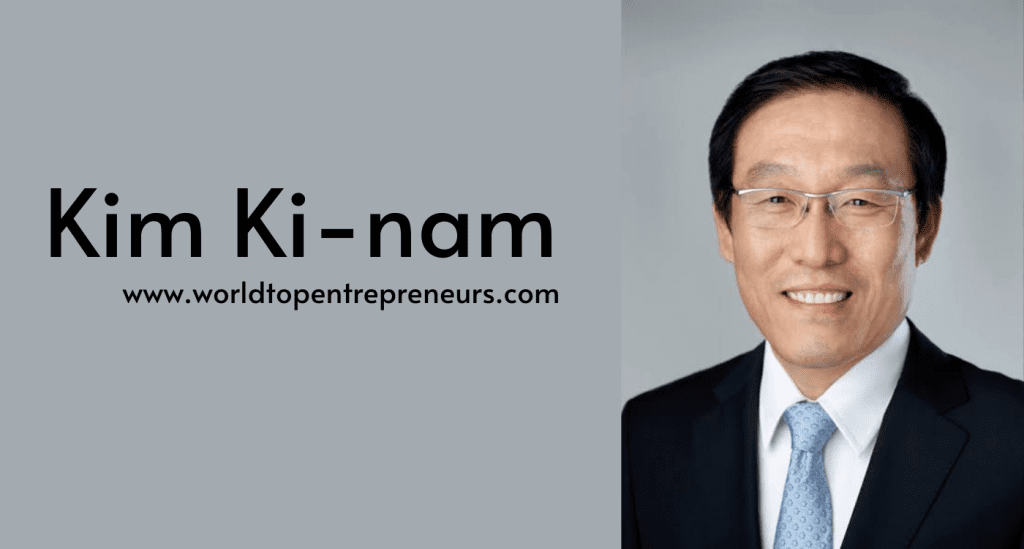
Kim Ki-nam is a prominent South Korean executive and one of the most influential figures at Samsung Electronics, particularly recognized for his transformative work in the company’s semiconductor division. As the head of Samsung’s semiconductor business, he played a critical role in shaping the global leadership position that Samsung holds in memory chips, displays, and system semiconductors today.
From his leadership in research and development to overseeing the company’s semiconductor strategy, Kim Ki-nam’s journey has been a remarkable one, marked by innovation, leadership, and a vision for a technologically advanced future. This blog will delve into Kim Ki-nam’s role at Samsung Electronics, his impact on the company’s success, and the legacy he leaves in the tech industry.
Early Life and Career
Kim Ki-nam was born in South Korea in 1954, and after completing his education, he went on to study electrical engineering, earning a degree from Seoul National University. His technical background and understanding of the semiconductor industry laid the foundation for his successful career at Samsung.
Kim joined Samsung Electronics in 1981, at a time when the company was expanding its footprint in various technology sectors. His journey through the company began in the R&D department, where his deep technical expertise made him a valuable asset.
Rise to Leadership at Samsung Electronics
1. The Semiconductor Visionary
Kim Ki-nam’s pivotal role in Samsung Electronics began in the company’s semiconductor division, where he quickly rose through the ranks due to his technical acumen and ability to lead cutting-edge projects. He joined Samsung’s Semiconductor Division in the 1990s, which at the time, was still working to establish itself as a major player in the global semiconductor market.
His foresight and leadership were essential in steering the company toward a position where it would eventually become the world leader in memory chips, including DRAM (Dynamic Random Access Memory) and NAND flash memory, areas where Samsung remains dominant today.
2. Executive Leadership Roles
Kim Ki-nam’s leadership roles within Samsung have been marked by several key positions:
- Head of Semiconductor Business: Kim Ki-nam’s career at Samsung reached a pivotal moment when he took charge of the semiconductor business, where he led the company’s memory chip division to become the largest and most profitable in the world. Under his guidance, Samsung gained a competitive edge over rivals like Intel and Micron Technology.
- Vice Chairman of Samsung Electronics: By the time he was appointed as Vice Chairman in 2015, Kim Ki-nam was already widely regarded as a visionary leader who helped steer Samsung Electronics through critical periods of growth, especially in semiconductor technology.
- Co-CEO of Samsung Electronics: In 2017, Kim Ki-nam was promoted to Co-CEO of Samsung Electronics, a role he shared with Lee Jae-yong, Samsung’s heir-apparent. His strategic role was crucial in driving Samsung’s growth across its major business units, especially in semiconductors and displays.
Major Contributions to Samsung Electronics
Kim Ki-nam’s leadership and decision-making were integral to the successes of several of Samsung’s key business units. Here are some of the most impactful contributions he made to the company:
1. Pioneering the Memory Chip Market
Under Kim Ki-nam’s leadership, Samsung Electronics emerged as the world’s leading producer of memory chips. His efforts in advancing DRAM and NAND flash memory technologies were game-changing, positioning Samsung as a dominant force in the global memory market.
- DRAM and NAND Leadership: By focusing on research, innovation, and capacity expansion, Kim helped Samsung produce chips that became the backbone of industries ranging from personal computing to mobile devices, data centers, and even automobiles. Samsung’s cutting-edge DRAM chips powered smartphones, tablets, and other consumer electronics, contributing significantly to the company’s revenue.
2. Strategic Investments in Research & Development
Kim Ki-nam always emphasized the importance of R&D to Samsung’s success. Under his leadership, the company invested heavily in cutting-edge technologies, including 3D NAND flash and advanced system semiconductors. This commitment to R&D helped Samsung stay ahead of competitors and enabled the company to pioneer new products that set the industry standard.
- Technology Innovation: Samsung was the first company to mass-produce 3D NAND flash memory and remains a leader in the development of the technology. Kim’s efforts to enhance chip efficiency, miniaturization, and integration contributed to the continuous improvement of Samsung’s semiconductor products.
3. Transforming Samsung’s Semiconductor Manufacturing
Kim Ki-nam played a significant role in improving Samsung’s manufacturing processes for semiconductor products. He oversaw the expansion of Samsung’s production facilities and the advancement of its chip-making capabilities.
- Cutting-edge Factories: Under Kim’s leadership, Samsung built state-of-the-art semiconductor fabrication plants (fabs) in South Korea and other locations, further solidifying the company’s dominance in memory chip production.
4. Global Expansion and Partnerships
Kim also worked to expand Samsung’s reach in the semiconductor market globally. Under his leadership, Samsung formed strategic partnerships with other technology companies and expanded its customer base to include major players in the technology, automotive, and industrial sectors. These efforts helped diversify Samsung’s semiconductor revenue streams, making the company less dependent on any single market.
Challenges Faced by Kim Ki-nam
While Kim Ki-nam’s leadership at Samsung was largely successful, it was not without its challenges:
- Intense Market Competition: The semiconductor market is fiercely competitive, with rivals like Intel, Micron, and SK Hynix. Kim had to constantly innovate and maintain cost-effective production processes to ensure Samsung’s leadership position.
- Economic Cycles: The semiconductor industry is subject to cyclical fluctuations in supply and demand, and Kim had to navigate through these cycles by adapting production strategies and mitigating risks.
- Global Trade Tensions: As a global leader in semiconductor production, Samsung faced challenges due to global trade tensions and the potential risks of geopolitical conflicts, particularly with countries like China and the U.S.
Despite these hurdles, Kim Ki-nam’s strategic foresight allowed Samsung to weather the storms and maintain its position as an industry leader.
Legacy and Impact
Kim Ki-nam’s legacy at Samsung Electronics is undeniable. Under his leadership, Samsung became synonymous with technological innovation and excellence in the semiconductor industry.
1. World-Leading Semiconductor Business
Kim’s work helped propel Samsung into a leadership position in the semiconductor business. Samsung is not only the largest producer of memory chips but also a leader in system semiconductors, which power everything from smartphones to artificial intelligence (AI) systems and autonomous vehicles.
2. Technological Advancements
His contributions to semiconductor innovation have had lasting effects on the broader technology industry. Samsung’s advancements in 3D NAND and DRAM technologies continue to benefit industries around the world.
3. A Legacy of Excellence and Innovation
Kim Ki-nam’s legacy goes beyond just profitability. His vision for creating a company culture focused on technological leadership, high-quality manufacturing, and continuous innovation has set the standard for the industry. Samsung’s semiconductor business, which is now a pillar of the company’s financial success, is a testament to Kim’s leadership and technical expertise.
Conclusion
Kim Ki-nam’s career at Samsung Electronics stands as a shining example of leadership, innovation, and long-term vision. His ability to guide Samsung’s semiconductor division to global dominance has not only strengthened the company but also reshaped the semiconductor industry.
Through his strategic foresight and dedication to excellence, Kim Ki-nam has solidified his place as one of the most influential figures in the history of Samsung Electronics, leaving a legacy that will continue to shape the company for years to come.