Introduction
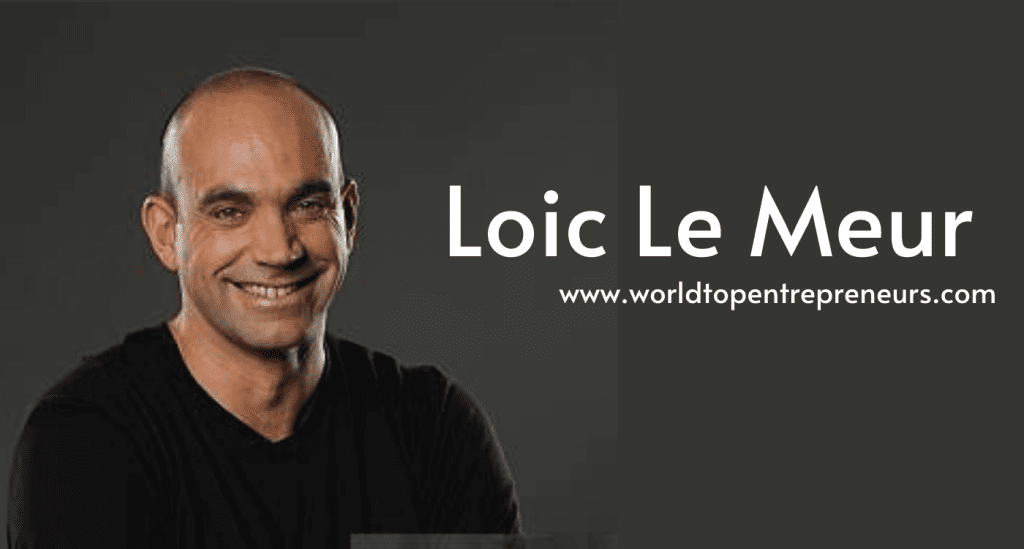
Loïc Le Meur is one of Europe’s most influential entrepreneurs, known for his pivotal role in creating LeWeb, an event that became one of the largest and most prestigious tech conferences in the world. Through LeWeb, Le Meur brought together some of the brightest minds in technology, startups, and digital innovation, while simultaneously shining a spotlight on the European tech ecosystem. Over the course of its existence, LeWeb attracted global attention, turning Paris into a key destination for tech enthusiasts, investors, and entrepreneurs.
But Loïc Le Meur’s influence extends far beyond the realm of events and conferences. He is a seasoned entrepreneur with a rich history in building successful startups. Through LeWeb and his other ventures, Le Meur’s work has had a lasting impact on the way technology is developed, adopted, and celebrated worldwide. This blog takes an in-depth look at his journey, his creation of LeWeb, and the lasting legacy of this iconic event.
Early Life and Entrepreneurial Beginnings
Born in Paris in 1969, Loïc Le Meur’s entrepreneurial journey began early. He studied engineering at the École Centrale Paris, a prestigious French engineering school, before entering the tech world in the late 1990s. Le Meur’s early professional career took him into the internet startup ecosystem, where he honed his understanding of how technology could connect people and transform industries.
Le Meur’s first major entrepreneurial venture was Ublog, a platform he co-founded in 2003. Ublog was one of the first blogging platforms in France, and it allowed users to easily create and publish blogs. The success of Ublog set the stage for his future ventures, but it was his work with LeWeb that would define his career and establish him as one of the most influential figures in the European tech scene.
Founding LeWeb: Bringing Silicon Valley to Paris
In 2004, Loïc Le Meur, in partnership with his wife Geraldine Le Meur, founded LeWeb, a tech conference that would go on to reshape the way the world viewed European technology. LeWeb was conceived as an event to bring the best of Silicon Valley’s innovation and entrepreneurship to Paris. Le Meur’s ambition was clear: to create a platform that would connect entrepreneurs, investors, and the tech community from all over the world, with Paris as the central meeting point.
The inaugural LeWeb conference was held in 2004 and quickly became known for its high-quality speakers, interactive panels, and networking opportunities. It featured some of the most important figures in the tech world, including Michael Arrington of TechCrunch, Mark Zuckerberg of Facebook, and Xavier Niel of Free, among others. What set LeWeb apart from other conferences was its focus on European entrepreneurship, helping to create visibility for tech startups outside of the Silicon Valley bubble.
Le Meur’s vision for LeWeb was not just to host a conference but to foster a community where technology could be discussed, developed, and celebrated. He understood the importance of bringing together not just the leading tech companies, but also the budding startups, allowing them to learn from established leaders and make meaningful connections.
LeWeb’s Success and Influence on the Global Tech Scene
Under Le Meur’s leadership, LeWeb grew from a small, French-based event into one of the most influential and recognized tech conferences in the world. Each year, the conference attracted more attendees, more high-profile speakers, and more press coverage. By 2008, LeWeb had expanded into an international phenomenon, with speakers such as Google CEO Eric Schmidt, Skype founder Niklas Zennström, and Twitter co-founder Biz Stone gracing the stage.
LeWeb was not only an event for entrepreneurs and investors, but also a showcase for innovation. Companies like YouTube, Twitter, Spotify, and Airbnb took to the LeWeb stage to unveil new products and services. As a result, LeWeb became known as the “launchpad for European tech”—a place where new ideas could find a global audience and become the next big thing in the tech world.
The event was also ahead of its time in terms of embracing new technologies and formats. LeWeb adopted a forward-thinking approach to topics such as social media, cloud computing, digital advertising, and artificial intelligence, ensuring that it remained relevant as the tech landscape evolved. It became a platform not just for discussing technology but also for shaping it.
LeWeb’s Impact on the European Startup Ecosystem
One of the most significant impacts of LeWeb was its role in strengthening and growing the European startup ecosystem. Before the rise of LeWeb, many European startups struggled to gain the recognition and support they needed in a market dominated by Silicon Valley giants. LeWeb provided a platform for European entrepreneurs to present their ideas to a global audience, enabling them to connect with investors, mentors, and fellow entrepreneurs.
Le Meur’s focus on the European tech scene helped put Europe on the map as a competitive player in the global tech industry. The event contributed to the growing “Silicon Sentier” in Paris, as well as thriving startup scenes in cities like London, Berlin, and Barcelona. LeWeb played a crucial role in building international partnerships and making the European startup scene more visible to the world.
Moreover, the event helped foster innovation within Europe by highlighting successful startups that might otherwise have remained obscure. It was also an important space for venture capitalists to find the next generation of tech companies and to forge relationships with founders and investors.
Loïc Le Meur’s Legacy Beyond LeWeb
Although Loïc Le Meur sold the rights to LeWeb in 2013 to a group of investors, his legacy within the European tech and startup ecosystem remains strong. Through his work with LeWeb, Le Meur helped to change the perception of Europe as a follower in the tech world, positioning it as an innovative leader.
Beyond LeWeb, Loïc Le Meur has continued to play an active role in the tech community. He has been involved in various other startups and investments and has become an advocate for entrepreneurship and innovation in Europe. His later ventures include Seesmic, a social media management platform, and LeWeb Paris, which remains an important fixture on the European tech scene. Through his ongoing work and mentorship, Le Meur continues to shape the future of technology and entrepreneurship, providing guidance to the next generation of tech innovators.
Conclusion
Loïc Le Meur’s creation of LeWeb was not only a milestone in his career but also a transformative event for the tech industry as a whole. LeMeur’s vision for connecting entrepreneurs, investors, and innovators, and his commitment to showcasing the best of European tech, reshaped the startup landscape in Europe. LeWeb became more than just a conference; it was a catalyst for growth, collaboration, and the global recognition of European technology.
By fostering international connections and providing a platform for new ideas, Loïc Le Meur’s legacy continues to influence the European tech ecosystem today. His work with LeWeb has had a lasting impact, not just on the startups that attended, but on the broader trajectory of the tech world. Loïc Le Meur has proven himself to be one of the most important figures in modern entrepreneurship, and his vision for connecting people and fostering innovation continues to inspire entrepreneurs around the world.