Introduction
When it comes to luxury, innovation, and timeless style, Louis Vuitton is a name that resonates globally. Founded in 1854 by Louis Vuitton, this iconic brand has grown from a small workshop producing travel trunks into one of the most prestigious fashion houses in the world. Known for its monogram canvas, exceptional craftsmanship, and groundbreaking collaborations, Louis Vuitton is not only a symbol of opulence but also a key player in the evolution of modern fashion.
In this blog, we will explore Louis Vuitton’s fascinating journey, its profound influence on fashion, and how it continues to be at the forefront of luxury and design innovation today.
The Origins of Louis Vuitton
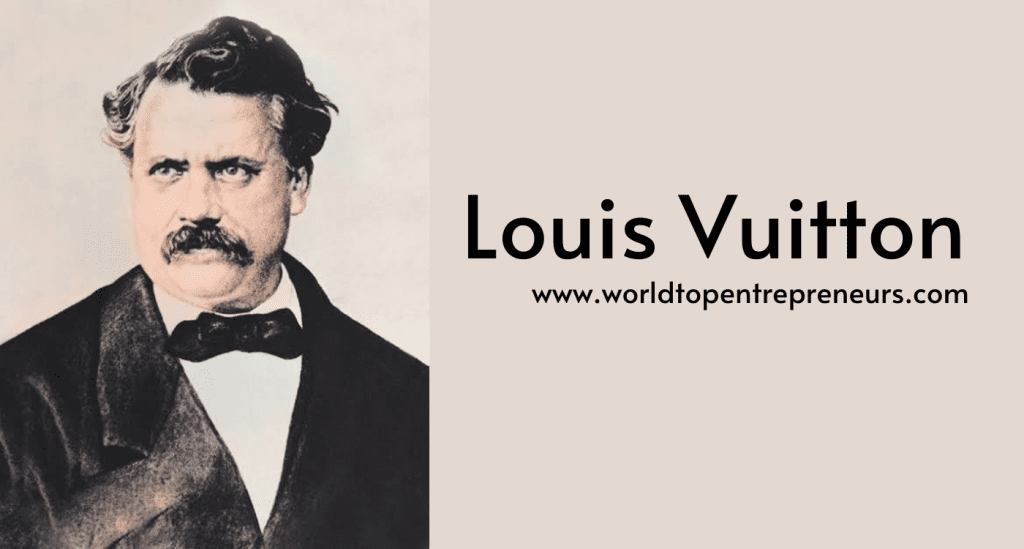
The story of Louis Vuitton begins in 1821, when its founder was born in Lavans-sur-Valouse, France. At the age of 16, Louis Vuitton left his home and traveled to Paris, where he began working as a trunk-maker’s apprentice. Trunks were an essential part of travel during the 19th century, as they were used to store clothing and personal belongings for long journeys.
After honing his skills for over a decade, Vuitton opened his own workshop in 1854, initially creating bespoke, high-quality trunks. He quickly earned a reputation for his craftsmanship, particularly for his innovative approach to making luggage. Unlike traditional trunks, which had rounded tops, Vuitton created flat-topped trunks that were easier to stack and more durable. This innovation was crucial in an era where luxury travel was growing rapidly.
Revolutionizing Luxury Travel
In the mid-1800s, travel was becoming more accessible to the wealthy, and Louis Vuitton seized this moment by focusing on producing luxurious, practical, and beautifully crafted travel accessories. His flat-topped trunks were a breakthrough in both form and function, making them far superior to the round-top trunks that were common at the time.
In 1859, Vuitton opened his first store in Paris at 4 Rue Neuve des Capucines, where he began to sell his trunks to the growing class of wealthy travelers. His pieces were soon considered a status symbol for the elite, and the LV monogram—now one of the most recognized symbols of luxury—was introduced in 1896 by Georges Vuitton, Louis’s son. The monogram, with its signature floral pattern and interlocking “L” and “V” letters, was a bold move to combat counterfeiting and solidify the brand’s identity.
Transitioning into Fashion: The Birth of Ready-to-Wear
While Louis Vuitton started as a travel goods maker, the company’s transformation into a global fashion house came much later, in the 20th century. Under the leadership of Georges Vuitton and his descendants, the brand continued to evolve, expanding its offerings beyond trunks to include other luxury goods such as handbags, accessories, and clothing.
However, it wasn’t until the 1980s that Louis Vuitton truly entered the broader fashion world. The turning point came in 1987, when LVMH (Moët Hennessy Louis Vuitton) was formed as a conglomerate, merging the luxury goods of Louis Vuitton with the prestigious French brand Moët Hennessy. This partnership opened the door for further expansion into fashion and luxury beyond luggage.
By 1997, Marc Jacobs, a young and talented designer, was appointed as the creative director of Louis Vuitton’s ready-to-wear line. This was a pivotal moment in the history of Louis Vuitton, as Jacobs introduced the brand’s first ready-to-wear collection. Under his direction, the brand moved beyond luggage and accessories, establishing itself as a full-fledged fashion powerhouse, with iconic pieces like the Speedy handbag, the Keepall, and the Neverfull tote gaining global recognition.
Key Innovations and Collaborations
1. The Iconic Monogram Canvas
One of Louis Vuitton’s most enduring innovations is the creation of the Monogram canvas, introduced in 1896. Designed by Georges Vuitton to protect against counterfeiting, the Monogram print quickly became a symbol of luxury and exclusivity. Today, the Monogram canvas is one of the most recognized and copied patterns in the world, seen on bags, shoes, accessories, and even furniture.
The Monogram pattern is more than just a logo; it is a representation of the brand’s commitment to craftsmanship, quality, and heritage. Over the years, Louis Vuitton has evolved its monogram design, working with various artists and designers to create unique interpretations that maintain the brand’s timeless essence while staying relevant to contemporary fashion.
2. Groundbreaking Collaborations
One of the defining features of Louis Vuitton’s modern success is its ability to innovate through collaborations with prominent artists, designers, and celebrities. These collaborations push the boundaries of fashion, art, and pop culture, and they have been a key strategy in keeping Louis Vuitton at the cutting edge of the luxury industry.
- Takashi Murakami: In 2003, Louis Vuitton collaborated with Japanese artist Takashi Murakami to create a series of vibrant, playful designs that incorporated Murakami’s signature colorful patterns and smiley faces. The collection revitalized the brand, appealing to a younger, more diverse audience and cementing Louis Vuitton’s status as a leader in the intersection of fashion and art.
- Kanye West: In 2009, Kanye West collaborated with Louis Vuitton to create a line of sneakers, combining high fashion with streetwear culture. This collaboration helped bridge the gap between luxury and hip-hop, bringing together two worlds that were previously separate.
- Virgil Abloh: In 2018, Virgil Abloh made history by becoming the first African-American artistic director of Louis Vuitton’s men’s wear. His collections brought a fresh, modern perspective to the brand, merging streetwear and luxury fashion in a way that resonated with younger generations. Abloh’s designs, often featuring bold graphics and oversized silhouettes, were instrumental in bringing Louis Vuitton into the era of contemporary fashion.
Louis Vuitton Today: The Legacy Continues
Today, Louis Vuitton continues to be a dominant force in the fashion world, with its influence extending beyond clothing and accessories to include high-end jewelry, watches, and even luxury homes. The brand remains committed to innovation, sustainability, and artistic collaborations, constantly evolving while staying true to its rich heritage of craftsmanship.
Louis Vuitton’s flagship stores in cities like Paris, New York, Tokyo, and London are architectural marvels, embodying the brand’s commitment to both tradition and modernity. The brand’s fashion shows are eagerly anticipated events in the industry, with Louis Vuitton collections regularly featured at Paris Fashion Week.
Under the leadership of Nicolas Ghesquière (women’s wear) and Virgil Abloh (men’s wear), the brand continues to introduce fresh collections that balance the legacy of Louis Vuitton with innovative designs. The success of Louis Vuitton is not just about luxurious products; it’s about a cultural impact—the brand represents more than just fashion; it stands as a symbol of sophistication, status, and creativity.
Conclusion
Louis Vuitton is a brand that has shaped the fashion industry for more than a century and a half. From its humble beginnings as a maker of trunks to becoming a global fashion empire, the brand has constantly evolved to stay relevant and maintain its reputation as the epitome of luxury. Louis Vuitton’s legacy is not just about fine craftsmanship and beautiful designs; it’s about pushing boundaries, embracing art, and collaborating with creative minds to keep fashion fresh and exciting.
As Louis Vuitton continues to innovate and inspire, its influence on both luxury fashion and global culture remains unparalleled. Today, the LV monogram is not only a symbol of quality but a badge of prestige that continues to define the future of fashion.