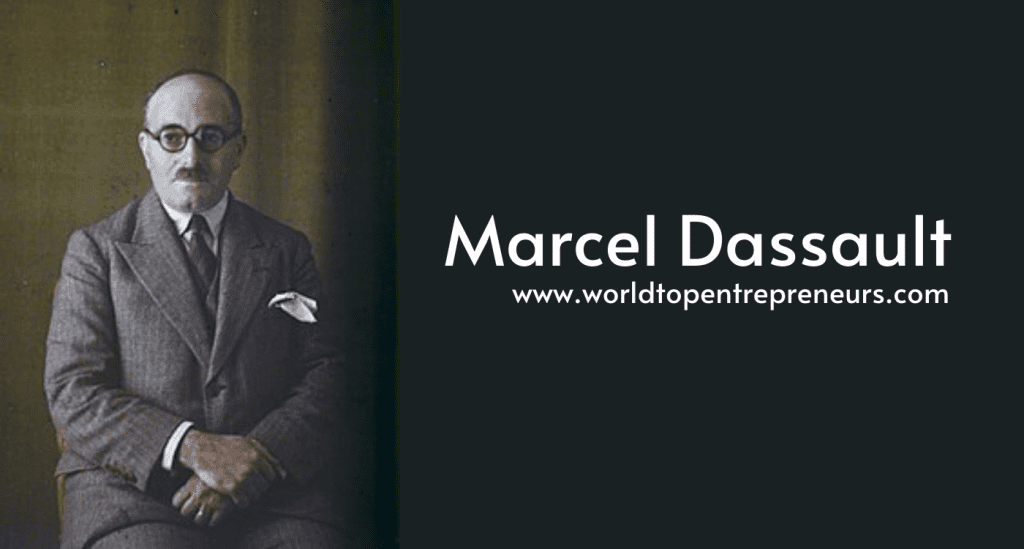
Introduction to Marcel Dassault
Marcel Dassault was a pioneering figure in the aviation industry whose impact on both French industry and global aerospace is undeniable. Born in 1892 as Marcel Bloch, he changed his surname to Dassault in 1949 in tribute to his family’s resistance against the Nazis during World War II. Dassault was not only a visionary aeronautical engineer but also a brilliant businessman and industrial leader who founded Dassault Aviation, a company that has since become one of the most prominent players in the aerospace and defense sectors.
Known for his innovative designs, strategic leadership, and resilience, Dassault was instrumental in developing some of the most iconic military and civilian aircraft of the 20th century. His role in shaping Dassault Aviation’s trajectory left a profound legacy in the aerospace world, and his name continues to be synonymous with cutting-edge aviation technology.
Early Life and Background
Marcel Dassault’s interest in aviation was evident from an early age. He initially studied engineering at the École Polytechnique in Paris, where he honed his technical skills and began exploring the world of aeronautical engineering. His early professional career was marked by his work in the aircraft industry during World War I, where he began to gain recognition for his talents in aircraft design.
Dassault’s early career was not without challenges. During World War II, Marcel Dassault, a Jewish man, was forced into hiding during the Nazi occupation of France. This period of hardship, however, led to the adoption of the Dassault surname after his brother’s death during the war, which symbolized his personal and family commitment to resistance against oppression.
The Founding of Dassault Aviation
After the war, Marcel Dassault set out to create a company that would not only design and build advanced military aircraft but also contribute to France’s aviation industry on the global stage. In 1945, he founded Dassault Aviation, initially as a small company producing military aircraft. However, his vision went far beyond just building aircraft for military purposes. He wanted to position Dassault Aviation as a leader in both military and civilian aviation.
His first major success came in the late 1940s with the MD 450 Ouragan, a jet fighter aircraft that was one of France’s first post-war military planes. This success propelled Dassault Aviation into the limelight, and it marked the beginning of a legacy of innovative and high-performance military aircraft.
Innovation and Iconic Aircraft
Marcel Dassault’s passion for innovation and design excellence led to the creation of several iconic aircraft that shaped both military and civilian aviation. One of his earliest major breakthroughs was the Dassault Mirage, a series of supersonic jet fighters that became synonymous with cutting-edge military technology. The Mirage aircraft were renowned for their advanced aerodynamics, agility, and versatility. The Mirage III, for instance, became one of the most successful fighters of the 1960s and 1970s, and its success firmly established Dassault as a global leader in military aviation.
Beyond military aircraft, Marcel Dassault also had a vision for the civilian aviation market. In the 1960s, Dassault Aviation introduced the Falcon series of business jets, which would go on to revolutionize the private jet industry. The Dassault Falcon 20 was one of the first business jets to combine luxury with performance, making private air travel accessible to the elite. The Falcon 50 and later models continued the legacy, and Dassault’s Falcon series remains a major part of the company’s success in the aviation market today.
The Business and Legacy of Dassault Aviation
Under Marcel Dassault’s leadership, the company grew steadily, leveraging technological advancements and a reputation for producing high-performance aircraft. Dassault’s ability to navigate the changing landscape of post-war aerospace made him a key figure in both the military and civilian aerospace sectors.
Marcel Dassault’s approach to business was built on a foundation of innovation, quality, and adaptability. He encouraged a company culture that emphasized excellence and precision, ensuring that Dassault Aviation maintained its position at the forefront of the aviation industry. By building a solid reputation for engineering excellence and reliability, Dassault Aviation became one of the leading aerospace companies globally, with a strong presence in both the military defense sector and the growing commercial aviation market.
His leadership not only shaped Dassault Aviation’s engineering and product design but also its long-term strategy. Marcel Dassault was a master at managing both the technological and financial aspects of his company, helping Dassault Aviation navigate the complexities of international defense contracts and high-end civilian aviation sales.
Marcel Dassault’s Personal Philosophy and Influence
Marcel Dassault was known for his strong leadership and hands-on approach to the business. He believed in the power of innovation and creativity in engineering, but he also recognized the importance of business acumen. His ability to manage both the technical and commercial sides of Dassault Aviation enabled the company to stay ahead of its competitors.
His personal philosophy also had a lasting impact on the company’s culture. Dassault valued hard work, attention to detail, and dedication to producing the highest-quality products. This approach became a cornerstone of Dassault Aviation’s ongoing success, with many of his design principles still influencing the company’s operations and innovations today.
The Dassault Family Legacy
After Marcel Dassault’s death in 1986, his legacy continued through his family. The Dassault family, including his son Serge Dassault, carried on the vision of the company, ensuring Dassault Aviation’s continued growth and innovation. The company has since expanded its portfolio to include advanced military aircraft, business jets, and even unmanned aerial vehicles (UAVs).
Dassault’s legacy also extends beyond the aviation world. The Dassault family has been heavily involved in various philanthropic endeavors, including contributions to the arts and culture in France.
Conclusion
Marcel Dassault’s contributions to aviation and his leadership in Dassault Aviation have left an indelible mark on both the military and civilian aerospace industries. His innovative designs, visionary leadership, and commitment to excellence helped shape the future of aviation, and his company remains a dominant force in aerospace today. From the iconic Mirage fighters to the luxurious Falcon jets, Dassault’s influence continues to be felt in the skies around the world.
Through his entrepreneurial spirit and relentless pursuit of innovation, Marcel Dassault not only revolutionized the aerospace industry but also set the stage for the continued success of Dassault Aviation, which carries on his legacy of excellence in aviation.