Introduction;
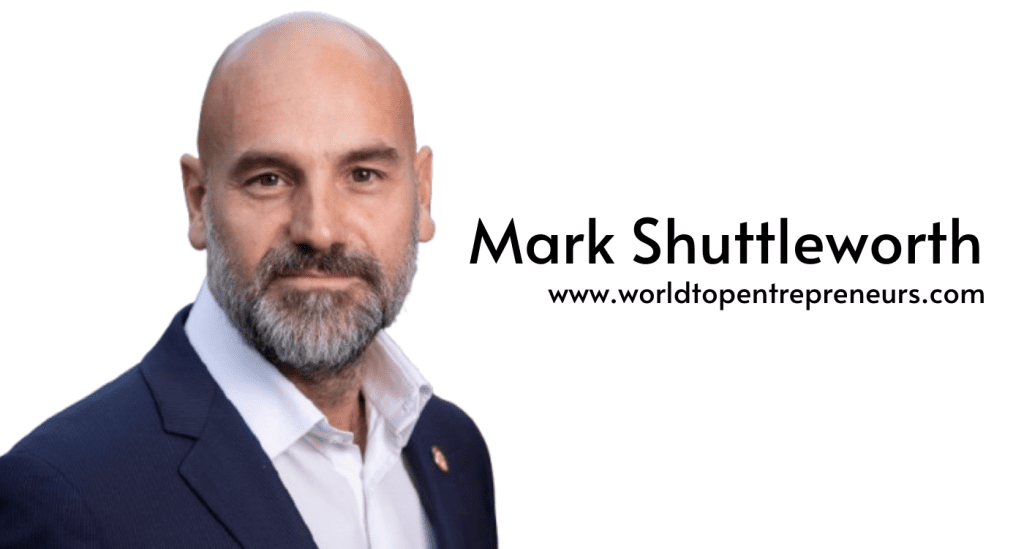
Mark Shuttleworth, a name synonymous with open-source innovation, is the founder of Canonical, the company behind Ubuntu, one of the most popular Linux distributions in the world. Shuttleworth’s vision to make software accessible to everyone has had a profound impact on technology, empowering millions of users and businesses globally. This blog explores his early life, the founding of Canonical, and his ongoing role in shaping its success.
Early Life and Background:
Mark Shuttleworth was born in South Africa in 1973. A tech enthusiast from a young age, he studied finance and information systems at the University of Cape Town. During his time there, he became fascinated with the potential of open-source software to democratize access to technology.
In the late 1990s, Shuttleworth founded Thawte Consulting, a company specializing in internet security. Thawte gained prominence for its digital certification services and was eventually acquired by VeriSign in 1999 for $575 million. This windfall gave Shuttleworth the financial freedom to pursue his passion for open-source technology.
The Birth of Canonical and Ubuntu:
In 2004, Shuttleworth founded Canonical with a bold mission: to make open-source software accessible to all. Ubuntu, derived from the Nguni Bantu term meaning “humanity to others,” was launched as a Linux distribution that emphasized ease of use, accessibility, and reliability.
Key Objectives of Ubuntu:
- User-Friendly Interface
Shuttleworth aimed to make Linux a viable alternative to Windows and macOS by focusing on a clean, intuitive user experience. This commitment to usability set Ubuntu apart from other Linux distributions.
- Community-Driven Development
Ubuntu was built on the principle of community collaboration. Shuttleworth ensured that contributions from developers worldwide were valued, fostering a vibrant open-source ecosystem.
- Regular Release Cycles
Canonical introduced a predictable six-month release cycle for Ubuntu, enabling users and developers to plan upgrades and integrations effectively.
Shuttleworth’s Role in Canonical:
As the founder and leader of Canonical, Mark Shuttleworth has been instrumental in guiding the company’s strategy and fostering innovation.
- Evangelizing Open Source
Shuttleworth has been a vocal advocate for open-source software. His belief in the transformative power of open collaboration has helped Canonical gain widespread recognition in both consumer and enterprise markets.
- Focusing on Cloud and IoT
Under Shuttleworth’s leadership, Canonical expanded beyond desktops to target emerging sectors like cloud computing and the Internet of Things (IoT). Ubuntu became the most popular operating system for cloud deployments, powering platforms like AWS, Microsoft Azure, and Google Cloud.
- Supporting Enterprises
Canonical developed services like Ubuntu Advantage and Landscape to provide enterprise-grade support and management tools. This strategy attracted businesses looking for cost-effective and flexible IT solutions.
- Innovating with Ubuntu Core
Shuttleworth spearheaded the development of Ubuntu Core, a lightweight version of Ubuntu designed for IoT devices and embedded systems. This initiative positioned Canonical as a leader in the IoT space.
Challenges and Triumphs:
While Canonical’s focus on open source has been a strength, it has also presented challenges, such as sustaining profitability in a largely free software ecosystem. Shuttleworth addressed this by introducing paid support and services while keeping Ubuntu itself free, striking a balance between accessibility and sustainability.
Canonical also faced stiff competition from other Linux distributions and enterprise software giants. However, Shuttleworth’s ability to adapt and innovate kept Canonical relevant, especially in cloud computing and containerization.
Legacy and Impact:
Mark Shuttleworth’s contributions to the tech world extend far beyond Canonical. A the first South African to travel to space in 2002 aboard the Russian Soyuz spacecraft, he has inspired countless individuals with his adventurous spirit and commitment to exploration—both in space and in technology.
Today, Ubuntu powers millions of devices, from personal computers to servers, clouds, and IoT devices. Shuttleworth’s vision of making high-quality software freely available continues to drive Canonical’s mission and influence the broader open-source community.
Conclusion:
Mark Shuttleworth’s journey from a university student in South Africa to the founder of Canonical and a pioneer in open-source software is a remarkable story of innovation and determination. By making Ubuntu accessible and versatile, he has transformed how people interact with technology, leaving an indelible mark on the industry. His ongoing leadership at Canonical ensures that open-source innovation will thrive for years to come.