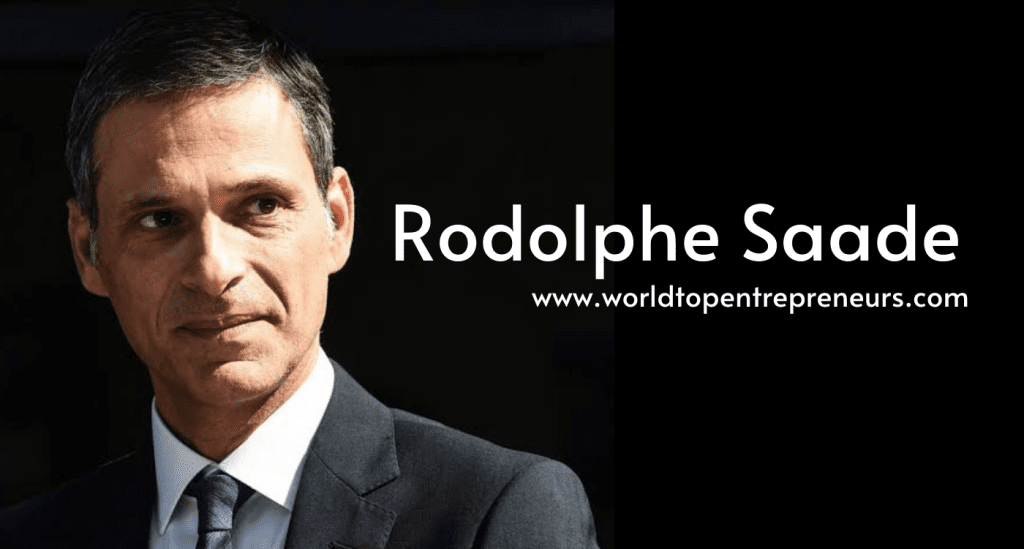
Rodolphe Saadé is a name synonymous with innovation, resilience, and leadership in the global maritime shipping industry. As the CEO and Chairman of CMA CGM, one of the world’s largest shipping and logistics companies, Saadé has played a pivotal role in transforming the family-owned business into an industry leader. Under his stewardship, CMA CGM has embraced digitalization, sustainability, and strategic expansion, cementing its position as a critical player in global trade. This blog delves into Saadé’s remarkable journey, his transformative leadership at CMA CGM, the company’s global impact, and the legacy he is building.
Introduction
The shipping industry forms the backbone of global trade, enabling the movement of goods across continents. At the helm of one of the industry’s most influential companies is Rodolphe Saadé, a visionary leader who has redefined maritime logistics for the 21st century. Born into a family with deep roots in shipping, Saadé has not only continued his father’s legacy but also charted a bold course for CMA CGM, addressing the challenges of globalization, technological disruption, and climate change.
This blog explores Rodolphe Saadé’s rise to leadership, his contributions to CMA CGM’s success, and the broader impact of his initiatives on the maritime shipping sector.
The Beginning: Taking the Helm of CMA CGM
Rodolphe Saadé was born in 1970 in Beirut, Lebanon, to Jacques Saadé, the founder of CMA CGM. After earning a degree in commerce and marketing from Concordia University in Montreal, Canada, Rodolphe joined the family business in 1994.
CMA CGM, founded in 1978, had grown steadily under Jacques Saadé’s leadership, becoming a prominent player in container shipping. When Rodolphe was appointed CEO in 2017, he faced the formidable task of navigating a highly competitive and volatile industry. This leadership transition marked the beginning of a new era for CMA CGM, with Rodolphe bringing a modern vision and innovative strategies to the company.
Transformative Leadership: Rodolphe Saadé’s Role in CMA CGM’s Success
Under Rodolphe Saadé’s leadership, CMA CGM has undergone significant transformations, evolving from a traditional shipping company into a global logistics powerhouse. Key aspects of his leadership include:
1. Strategic Acquisitions and Expansion
To strengthen CMA CGM’s market position, Saadé spearheaded several high-profile acquisitions, including the purchase of CEVA Logistics in 2018. This acquisition allowed the company to expand its capabilities beyond maritime shipping into end-to-end logistics solutions, offering customers seamless supply chain management services.
Additionally, CMA CGM acquired the French newspaper La Provence and launched ventures in air freight logistics, demonstrating Saadé’s commitment to diversification and adaptability in a changing global landscape.
2. Embracing Digital Transformation
Recognizing the need for modernization in the maritime industry, Saadé has prioritized digital transformation within CMA CGM. The company has invested heavily in technologies such as blockchain, artificial intelligence, and IoT to enhance operational efficiency and customer experience. For example, CMA CGM introduced tools for real-time tracking of shipments, giving customers greater visibility and control over their supply chains.
3. Commitment to Sustainability
As concerns about climate change and environmental impact intensify, Saadé has positioned CMA CGM as a leader in sustainable shipping. Under his guidance, the company has taken bold steps, including:
- Investing in LNG-powered vessels to reduce carbon emissions.
- Committing to carbon neutrality by 2050.
- Launching the ACT with CMA CGM+ initiative, offering customers the option to offset their carbon footprint.
These measures reflect Saadé’s forward-thinking approach to balancing profitability with environmental responsibility.
4. Responding to Global Crises
Rodolphe Saadé has proven his resilience and adaptability during global crises. During the COVID-19 pandemic, CMA CGM played a critical role in maintaining global supply chains, ensuring the timely delivery of essential goods such as medical supplies and food. Saadé’s leadership during these challenging times earned him respect across the industry.
Impact: CMA CGM’s Global Influence
Today, CMA CGM operates in over 160 countries, employing more than 150,000 people and managing a fleet of over 600 vessels. The company’s influence extends far beyond shipping, shaping global trade dynamics and logistics networks.
Saadé’s focus on innovation and sustainability has not only strengthened CMA CGM’s market position but also set new benchmarks for the maritime industry. By integrating digital solutions and sustainable practices, the company has enhanced its efficiency while reducing its environmental impact, benefiting businesses and communities worldwide.
Legacy: Rodolphe Saadé’s Enduring Contributions
Rodolphe Saadé’s leadership represents a seamless blend of tradition and innovation. While preserving the values established by his father, Saadé has positioned CMA CGM as a forward-thinking organization that embraces change.
His efforts to diversify the company’s operations, modernize its processes, and address global challenges have solidified CMA CGM’s reputation as a trailblazer in maritime shipping. Saadé’s commitment to sustainability and innovation will undoubtedly inspire future leaders in the industry.
Conclusion
Rodolphe Saadé’s journey from a young executive to the CEO and Chairman of CMA CGM is a testament to his vision, resilience, and leadership. By embracing digital transformation, sustainability, and strategic expansion, he has transformed CMA CGM into a global logistics leader, navigating the complexities of a rapidly changing world.
Through his initiatives, Saadé has not only ensured the success of CMA CGM but also contributed to the evolution of the maritime shipping industry as a whole. His leadership is a powerful example of how businesses can thrive by combining tradition with innovation, adaptability, and a commitment to creating a sustainable future.