Heineken, one of the most iconic beer brands in the world, has a rich history that dates back to its founding in 1864. The company was established by Gerard Adriaan Heineken in Amsterdam, and over the decades, it has grown into a global powerhouse in the beer industry. Today, Heineken is not only a well-recognized brand for its premium beer but also a symbol of family heritage, business acumen, and strategic leadership. The Heineken family has played a pivotal role in shaping the company’s success, and its legacy continues to influence the direction of the brewery.
In this blog, we will explore the history and evolution of the Heineken family, their integral role in the growth of the Heineken brewery, and the impact they have had on both the company and the beer industry as a whole.
Introduction: Who is the Heineken Family?
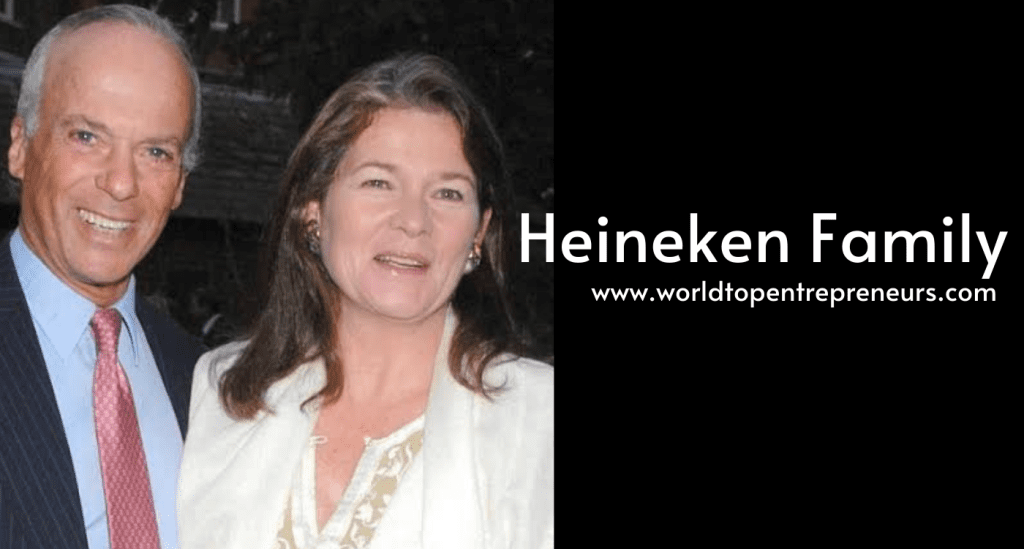
The Heineken family refers to the descendants of Gerard Adriaan Heineken, the founder of Heineken N.V. Although the Heineken family is no longer directly involved in the daily operations of the company, its historical and symbolic influence remains profound. Over the years, family members have served on the board of directors, and their ownership of a significant portion of the company has allowed them to maintain a controlling stake in the business.
The Heineken family has had a lasting impact on the company’s success through a strong commitment to quality, innovation, and growth. The Heineken brewery itself stands as a testament to the family’s vision, persistence, and ability to adapt to changing times, ensuring the brand’s global success for over 150 years.
The Birth of Heineken: Gerard Adriaan Heineken’s Vision
In 1864, Gerard Adriaan Heineken purchased the brewery in Amsterdam, which would later become the cornerstone of the globally recognized Heineken brand. Gerard was not only a savvy businessman but also someone with a deep understanding of brewing techniques, which played a crucial role in the company’s early successes.
Under Gerard’s leadership, Heineken focused on producing high-quality lager with a unique taste that differentiated it from other beers on the market. He was committed to improving the brewing process, which led to the development of Heineken’s distinctive flavor and helped the company build a solid reputation both locally and internationally.
By the time Gerard passed away in 1893, Heineken was already well on its way to becoming a household name in the brewing industry. The company continued to grow, largely driven by the vision of the Heineken family to ensure quality and expansion.
The Heineken Family and Their Role in the Company’s Growth
The Heineken family remained an integral part of the company’s leadership for several generations. After Gerard’s death, the business was handed down to his son, Henry Pierre Heineken, who played a crucial role in taking the company to new heights. Henry’s vision included expanding the brand’s reach outside of the Netherlands, and under his leadership, Heineken began to export its beer to international markets, including Europe and the United States. This global reach laid the foundation for the company’s future success.
1. The Heineken Family’s Long-Term Commitment to Innovation
One of the hallmark characteristics of the Heineken family throughout the decades has been their commitment to innovation. From its early days, the company focused on improving the brewing process, such as using a distinctive yeast strain that would become synonymous with the Heineken beer taste. The family’s support for research and development has led to Heineken’s reputation for high-quality beer and its continued evolution.
The Heineken family also emphasized internationalization and expansion into new markets. This approach was solidified during the tenure of Henry Pierre Heineken, who helped solidify Heineken’s reputation as a global brand.
2. Corporate Governance and Ownership Structure
Over time, the Heineken family’s role in the company shifted. While family members were active in the day-to-day operations of the business, they also began to focus on the company’s governance structure and strategic direction. The family retained control of a significant portion of Heineken through a special class of shares, known as “A shares,” which gave them the power to make important decisions on the company’s leadership and direction.
The Heineken family also supported the company’s growth through strategic mergers and acquisitions. In the 20th century, Heineken expanded its portfolio by acquiring other breweries, including regional and international brands, which increased its presence in key global markets. This helped Heineken compete with other global giants like Anheuser-Busch and Carlsberg.
3. The Role of Heineken Family Members in Leadership
Several prominent Heineken family members have played key leadership roles in the company. Notable figures include:
- Henry Pierre Heineken: He is credited with the company’s initial global expansion, overseeing the transition of Heineken into an international brand. Henry’s strategic vision, paired with his commitment to the company’s legacy, allowed Heineken to thrive beyond the borders of the Netherlands.
- Frederik Heineken: The grandson of Gerard Adriaan Heineken, Frederik Heineken took on a leadership role within the company and became a prominent figure in its boardroom. His influence helped guide the company during key moments of growth and transformation.
- Jean-François van Boxmeer: While not directly from the Heineken family, Jean-François van Boxmeer’s long tenure as CEO of Heineken showcased the family’s trust in capable leadership outside the family. Under van Boxmeer’s leadership, Heineken expanded its global presence and continued to innovate within the beer market.
Impact and Legacy: The Heineken Family’s Influence on the Beer Industry
1. Global Expansion
One of the most enduring impacts of the Heineken family on the company is the international reach that the brand enjoys today. The family’s vision for expanding beyond the Dutch borders transformed Heineken into a global beer brand with a presence in over 190 countries.
Through strategic mergers, acquisitions, and partnerships, the Heineken family helped the company establish a foothold in emerging markets, ensuring its dominance in countries across Europe, Asia, the Americas, and Africa.
2. Social Responsibility and Sustainability
The Heineken family has also made significant strides in corporate social responsibility (CSR) and sustainability. The company has long been committed to producing beer responsibly, and this legacy continues today under the leadership of Heineken’s current executives.
Through initiatives like reducing carbon emissions, water usage, and waste, Heineken has positioned itself as a leader in sustainability within the beer industry. The Heineken family continues to influence the company’s sustainability practices, ensuring that the brand maintains a positive relationship with both the environment and the communities in which it operates.
3. Maintaining the Family Legacy
Though the Heineken family is no longer directly involved in day-to-day operations, their commitment to the company’s core values of quality, craftsmanship, and innovation endures. The family’s long-term vision has ensured that Heineken Brewery remains one of the most respected names in the brewing world.
Conclusion: The Heineken Family’s Lasting Influence
The Heineken family has played a pivotal role in shaping Heineken Brewery’s success over the last century and a half. From Gerard Adriaan Heineken’s founding vision to the current leadership’s commitment to sustainability and innovation, the family’s influence is deeply embedded in the company’s DNA.
While the Heineken family no longer has a direct role in the day-to-day operations of the company, its legacy of quality, business acumen, and global reach has helped establish Heineken as one of the most recognizable and successful beer brands worldwide. Today, Heineken’s global dominance and commitment to excellence can be traced back to the foresight and dedication of the Heineken family, who have ensured that the brand not only survives but thrives in an ever-evolving marketplace.