Introduction
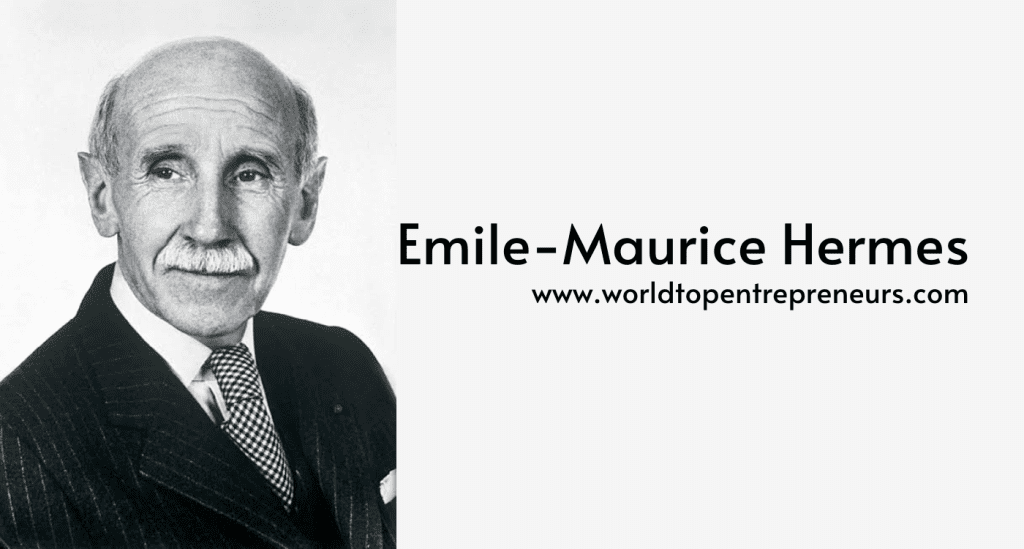
In the world of luxury fashion, few names are as synonymous with elegance, craftsmanship, and timeless style as Hermès. Founded in 1837 by Thierry Hermès, the French luxury house initially began as a saddle maker catering to the elite aristocracy. However, it was Émile Maurice Hermès, the grandson of the founder, who would take the reins in the early 20th century and transform the brand into the global luxury powerhouse we know today.
Émile Maurice Hermès is a central figure in the brand’s history, credited with broadening its appeal, expanding its offerings, and navigating the brand through both World War I and the evolving fashion landscape. Under his leadership, Hermès evolved from a specialized luxury brand into an iconic symbol of high-end craftsmanship and innovation. This blog will explore Émile Maurice Hermès’s profound impact on Hermès and his legacy that continues to influence the brand today.
Early Life and Background
Born in 1871, Émile Maurice Hermès was the grandson of Thierry Hermès, who had founded the company in Paris. Thierry Hermès originally started his business as a saddle maker for the elite horse-riding class. The business, Thierry Hermès, specialized in creating custom leather saddles and harnesses, which quickly earned a reputation for their exceptional craftsmanship. The Hermès brand was known for producing top-quality, durable, and aesthetically pleasing riding gear.
Growing up in this atmosphere of luxury craftsmanship and fine materials, Émile Maurice was well-positioned to take over the family business. After completing his studies, he began working at the company at a young age, quickly developing a keen understanding of both its craftsmanship and the luxury market.
Taking the Helm of Hermès
In 1902, Émile Maurice Hermès took over the management of the company from his father, who had been running the brand after Thierry’s death. Under his leadership, Hermès would experience a remarkable transformation.
One of his first major decisions was to expand Hermès’s offerings beyond saddles and harnesses. He recognized that as the world was changing, so too were the needs of the affluent class, many of whom no longer relied on horseback travel. His solution was to diversify Hermès’s product line, beginning with leather goods and luxury accessories that could appeal to a wider, modern audience.
Innovations Under Émile Maurice Hermès
1. The Birth of the Hermès Handbag
One of Émile Maurice Hermès’s most significant innovations was the introduction of the Hermès handbag. In 1922, Hermès unveiled its first leather handbag, known as the “Saddle Bag”, which was designed as a more practical option for women on the go, inspired by the company’s horse-riding origins. The bag quickly gained popularity and would set the stage for a series of iconic Hermès bags.
In 1935, Émile Maurice introduced the “Sac à dépêches”, a classic leather briefcase-style bag that would later evolve into the famous Hermès Kelly Bag, named after actress Grace Kelly. The bag’s sleek design, impeccable craftsmanship, and timeless appeal helped establish Hermès as a leader in luxury handbags.
2. The Iconic Hermès Silk Scarf
Another pivotal innovation was the Hermès silk scarf, introduced in 1937. Émile Maurice recognized the appeal of luxurious, versatile accessories, and the silk scarf became a hallmark of the brand’s expansion into fashion. The Hermès scarf quickly became a symbol of both refinement and creativity, with unique patterns that often featured designs inspired by the brand’s equestrian heritage.
The scarves were made from the finest silk and became known for their high quality and intricate designs, turning them into a coveted fashion item. They were embraced by women of high society, helping to solidify Hermès’s reputation as a leader in the world of luxury fashion accessories.
3. The Kelly Bag and the Evolution of Luxury Handbags
As previously mentioned, one of the most iconic handbags in the world, the Hermès Kelly Bag, owes its roots to Émile Maurice. Originally called the Sac à dépêches, it was rebranded in the 1950s after Grace Kelly, who famously carried it in public, cementing its place in fashion history. Under Émile Maurice’s leadership, this handbag evolved into a symbol of luxury, elegance, and sophistication, and remains one of the most iconic luxury bags to date.
4. The Hermes “Chaine d’Ancre” Bracelet
Another standout product introduced under Émile Maurice Hermès was the Chaine d’Ancre bracelet, launched in 1938. The bracelet’s design was inspired by the anchor chains that were used on ships, and it became one of the most recognized pieces of Hermès jewelry. This was another example of Émile Maurice’s ability to integrate the world of fashion with practical, everyday elements while maintaining the brand’s exclusive image.
Émile Maurice Hermès and the Legacy of Craftsmanship
What made Émile Maurice Hermès such a visionary leader was his commitment to the foundational principles of the brand—exceptional craftsmanship, attention to detail, and luxury materials. While many fashion houses have come and gone, Hermès has remained at the top of the luxury fashion pyramid largely due to its focus on quality and timeless design.
Émile Maurice’s decision to diversify Hermès’s product offerings was crucial in ensuring the brand’s survival and success. By expanding into leather goods, jewelry, and accessories, he created a multi-faceted brand that appealed to a broader audience without compromising the company’s core values of craftsmanship and exclusivity. This ability to innovate while maintaining the integrity of the brand is part of what has allowed Hermès to remain an influential name in luxury fashion today.
The Enduring Influence of Émile Maurice Hermès
The legacy of Émile Maurice Hermès lives on in the Hermès brand. His dedication to quality, innovation, and craftsmanship has been passed down through generations, with each subsequent generation building upon the foundation he laid. Today, Hermès remains one of the most prestigious and recognizable luxury brands in the world, producing everything from handbags and silk scarves to homeware and fragrances.
In addition to his focus on product innovation, Émile Maurice Hermès was instrumental in expanding the company’s presence beyond France. Under his leadership, Hermès opened stores in key international markets, establishing a global footprint that would allow the brand to become a household name in the luxury fashion industry.
The brand’s most iconic items, such as the Kelly bag, the Birkin bag, and its renowned silk scarves, continue to symbolize luxury, sophistication, and timeless style. Today, Hermès remains true to Émile Maurice Hermès’s vision of luxury craftsmanship, while continuing to evolve and innovate in the modern world of fashion.
Conclusion
Émile Maurice Hermès was not just the man who expanded Hermès into a global luxury empire; he was the visionary who transformed the brand into a symbol of enduring elegance, refinement, and innovation. By introducing iconic products like the Kelly bag, Hermès silk scarves, and expanding into luxury accessories, he positioned Hermès as one of the most influential fashion houses of the 20th century.
The legacy of Émile Maurice Hermès continues to shape the brand’s philosophy today. His commitment to quality, craftsmanship, and timeless design has ensured that Hermès remains one of the most respected names in luxury fashion, carrying forward a tradition of elegance and exclusivity that stands the test of time.