Introduction
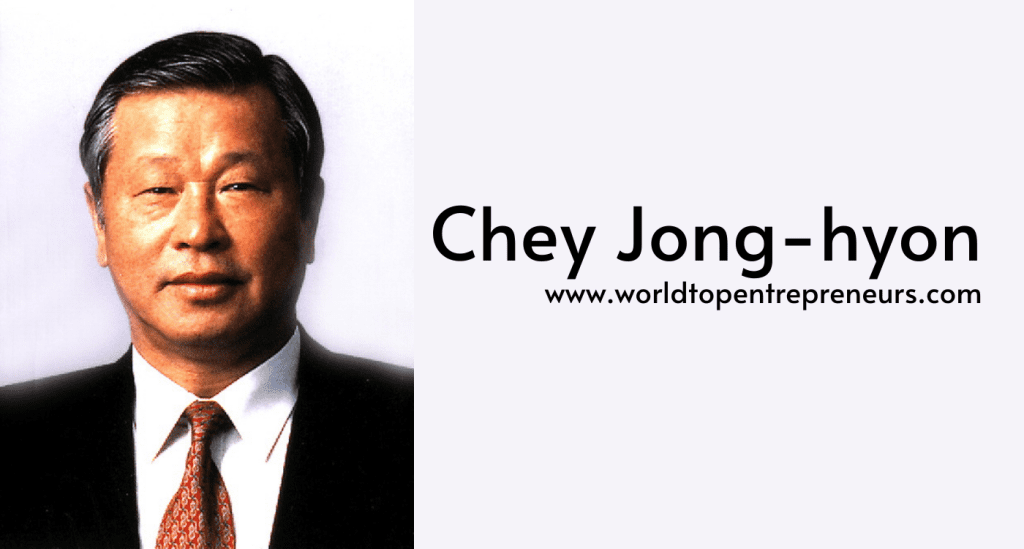
Chey Jong-hyon, the founding figure behind SK Group, played a pivotal role in shaping the South Korean economy and influencing the global business landscape. Known for his strategic foresight, innovative mindset, and ability to seize opportunities, Chey built SK Group into a conglomerate with a diverse portfolio ranging from energy and telecommunications to semiconductors and biotechnology. This blog delves into his contributions, leadership style, and the enduring impact of his work on South Korea’s industrial development.
Early Life and Career
Chey Jong-hyon was born in 1929 in South Korea. Coming from humble beginnings, he displayed entrepreneurial talent from a young age. He initially ventured into the textile industry, founding Sunkyong Textiles in 1953, at a time when South Korea was rebuilding after the Korean War. Chey’s determination and ability to navigate economic challenges helped Sunkyong thrive, setting the foundation for what would later become SK Group.
The Transformation of SK Group
1. Founding SK Group
The turning point came in 1958 when Chey Jong-hyon laid the groundwork for what would evolve into SK Group by diversifying Sunkyong Textiles into petrochemicals, one of the emerging industries of the time. His ability to foresee the potential of petrochemicals and energy laid the foundation for SK Group’s dominance in these sectors.
2. Expansion into Energy and Chemicals
Chey spearheaded the group’s entry into the energy sector by acquiring a controlling stake in the Korea Oil Corporation in 1980. Renamed SK Energy, the acquisition marked the beginning of SK’s ascent as a leading energy company. Chey’s leadership ensured the successful integration and expansion of the company, making SK a major player in South Korea’s energy infrastructure.
3. Diversification into Telecommunications
Another significant milestone under Chey’s leadership was SK Group’s entry into the telecommunications sector in the early 1990s. Recognizing the rising importance of mobile technology, SK Group launched SK Telecom, which would go on to become South Korea’s largest mobile network operator. This bold move diversified SK Group’s portfolio and solidified its position as a leader in high-tech industries.
4. Semiconductor Leadership
Chey played a key role in acquiring the semiconductor company Korea Integrated Circuit in 1989, which later became SK Hynix. Under his strategic direction, SK Hynix grew into one of the world’s largest memory chip manufacturers, contributing significantly to South Korea’s reputation as a global leader in the semiconductor industry.
Key Achievements
- Economic Impact
Chey’s contributions to industrializing South Korea were immense. Through SK Group, he helped modernize the country’s energy and technology sectors, creating jobs and driving innovation. - Global Expansion
Under Chey’s leadership, SK Group expanded beyond South Korea, establishing a global presence in over 40 countries across multiple industries. - Innovation-Driven Growth
Chey’s emphasis on research and development set a precedent for SK Group’s innovation-centric growth. The company invested heavily in R&D, ensuring its competitive edge in technology and sustainability.
Leadership Philosophy
Chey Jong-hyon was known for his visionary leadership and adaptive strategies. His approach to business was characterized by:
- Long-Term Vision: He focused on industries with long-term growth potential, such as energy, semiconductors, and telecommunications.
- Risk-Taking: Chey was unafraid to make bold decisions, such as acquiring underperforming companies and transforming them into profitable ventures.
- Empowering Talent: He valued skilled employees and emphasized nurturing leadership within the organization.
Challenges and Resilience
1. Economic Crises
Chey navigated SK Group through major economic downturns, including the 1997 Asian financial crisis. His ability to adapt and restructure the group ensured its survival and long-term success.
2. Corporate Scandals
Like many large conglomerates, SK Group faced scrutiny over governance and corporate transparency. Chey worked to improve corporate accountability, setting a foundation for future leadership to prioritize ethical practices.
Legacy
1. Building a National Champion
Chey Jong-hyon’s leadership made SK Group a cornerstone of South Korea’s economy. Today, SK Group ranks as one of the country’s largest chaebols (family-owned conglomerates), contributing significantly to GDP and employment.
2. Innovation and Sustainability
Chey’s forward-looking investments in technology and sustainable energy have left a lasting impact on SK Group’s operations. The company continues to be a leader in green energy, smart grids, and advanced telecommunications.
3. Inspiration for Future Leaders
Chey’s entrepreneurial spirit and ability to adapt to changing markets have inspired a new generation of business leaders in South Korea and beyond.
Conclusion
Chey Jong-hyon’s role in transforming SK Group from a textile company into a global conglomerate is a testament to his visionary leadership and bold decision-making. By identifying opportunities in energy, telecommunications, and semiconductors, he not only elevated SK Group but also played a pivotal role in South Korea’s industrialization and global economic standing.
His legacy of innovation, resilience, and strategic foresight continues to guide SK Group, ensuring that his vision remains alive in the company’s ongoing success.