Introduction
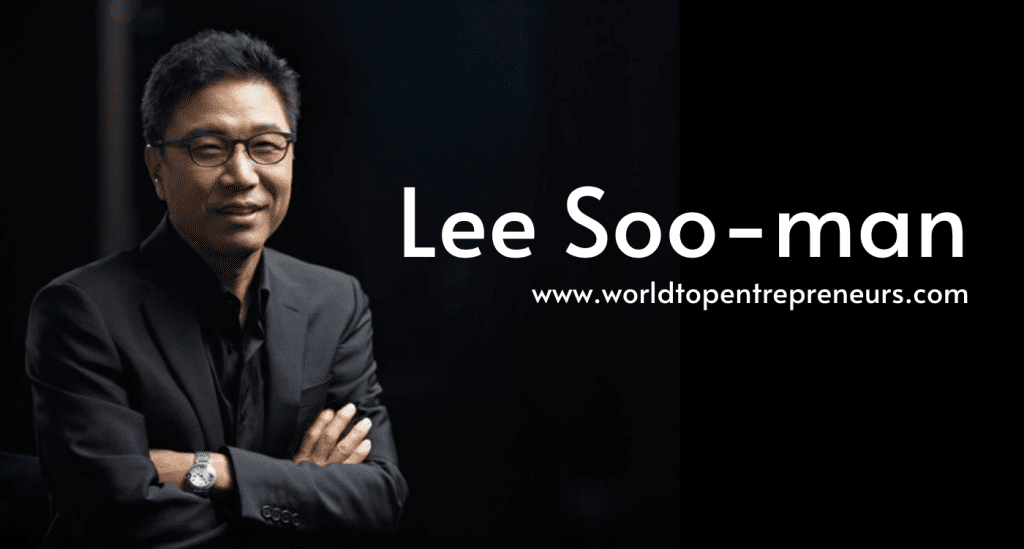
Lee Soo-man, often called the “Father of K-pop,” is the visionary behind SM Entertainment, one of South Korea’s largest and most influential entertainment companies. From humble beginnings as a singer to a trailblazing entrepreneur, Lee Soo-man transformed the Korean music industry by creating a global cultural phenomenon. His innovative approach to artist management, production, and international expansion established K-pop as a dominant force worldwide.
Early Life and Career
Lee Soo-man was born on June 18, 1952, in Seoul, South Korea. He initially pursued a career as a singer in the 1970s, releasing several hits and earning recognition for his talent. However, Lee was more interested in the business and technical side of music.
In the early 1980s, he temporarily left the music scene to study computer engineering at California State University, Northridge. His exposure to the entertainment industries in the United States during his time abroad inspired him to modernize South Korea’s music industry.
Founding SM Entertainment
In 1989, Lee Soo-man returned to South Korea and founded SM Studio, later renamed SM Entertainment. His vision was to create a company that could produce and manage artists systematically, drawing inspiration from the entertainment giants of the United States and Japan.
1. The Idol System
Lee Soo-man pioneered the “idol system,” a structured approach to discovering, training, and debuting artists. This system included:
- Global Casting Auditions: SM scouted talent worldwide, ensuring a diverse pool of performers.
- Rigorous Training Programs: Trainees underwent years of vocal, dance, language, and personal development training.
- Concept-Based Artist Management: Each group or artist was developed with a unique concept and brand, catering to specific markets.
This system became the blueprint for the K-pop industry, adopted by other entertainment companies.
Pioneering Innovations
1. The K-Pop Wave (Hallyu)
Lee Soo-man was one of the first to recognize the potential of exporting South Korean music and culture globally. His strategies included:
- Early International Debuts: Groups like H.O.T. and BoA achieved success in Japan and China, paving the way for K-pop’s expansion.
- Multi-Language Releases: SM artists recorded songs in multiple languages, including Japanese, Chinese, and English, to appeal to diverse audiences.
2. Technological Integration
Lee embraced technology to enhance SM’s global reach:
- Virtual Concerts and Livestreams: SM was a pioneer in virtual concerts, especially during the COVID-19 pandemic.
- AI and VR Integration: Lee introduced AI-based tools and virtual reality elements to SM’s music and performances, ensuring cutting-edge experiences for fans.
3. Cultural Technology (CT)
Lee introduced the concept of Cultural Technology, a framework for producing globalized content with local appeal. This strategy allowed SM to tailor its music and artists for international markets while maintaining their Korean identity.
Key Achievements
- Legendary Artists and Groups
Lee Soo-man cultivated some of the biggest names in K-pop, including:
- H.O.T. – The first idol group to achieve nationwide fame.
- BoA – The “Queen of K-pop,” who became a trailblazer in Japan.
- TVXQ, Super Junior, Girls’ Generation, EXO, Red Velvet, and NCT – Groups that have achieved global acclaim.
- Global Recognition
Under Lee’s leadership, SM Entertainment became synonymous with K-pop, earning accolades for its innovation and artistry. SM artists have performed at global events such as the Olympics, music festivals, and award shows. - Cultural Impact
Lee’s work contributed significantly to the Hallyu Wave, which boosted South Korea’s soft power and cultural influence worldwide.
Challenges and Controversies
1. Industry Competition
As the K-pop industry grew, SM faced stiff competition from other entertainment companies like YG Entertainment and JYP Entertainment. However, Lee’s strategic vision kept SM at the forefront.
2. Labor Practices and Trainee System
The intense training programs and long contracts for SM artists drew criticism. Lee and SM Entertainment faced calls for greater transparency and fairness in artist management.
3. Management Restructuring
In recent years, Lee Soo-man stepped back from daily operations but remained a key figure as a producer and strategist. This transition led to internal changes in the company’s leadership.
Legacy
1. The Father of K-Pop
Lee Soo-man’s contribution to creating the K-pop industry as it exists today is undeniable. His idol system, global vision, and innovative strategies have set the standard for the industry.
2. Global Cultural Influence
K-pop’s global success has significantly boosted South Korea’s economy and cultural diplomacy. Lee’s work helped turn South Korea into a global cultural powerhouse.
3. Inspiring a Generation of Entrepreneurs
Lee’s success inspired countless entrepreneurs in South Korea’s entertainment and tech industries, fostering a culture of innovation and creativity.
Conclusion
Lee Soo-man’s role in shaping SM Entertainment and the K-pop industry is unparalleled. By blending creativity, technology, and strategic thinking, he turned SM into a global entertainment powerhouse and K-pop into a worldwide phenomenon. His legacy continues to influence the music industry, ensuring that K-pop remains a dominant force in global culture for years to come.