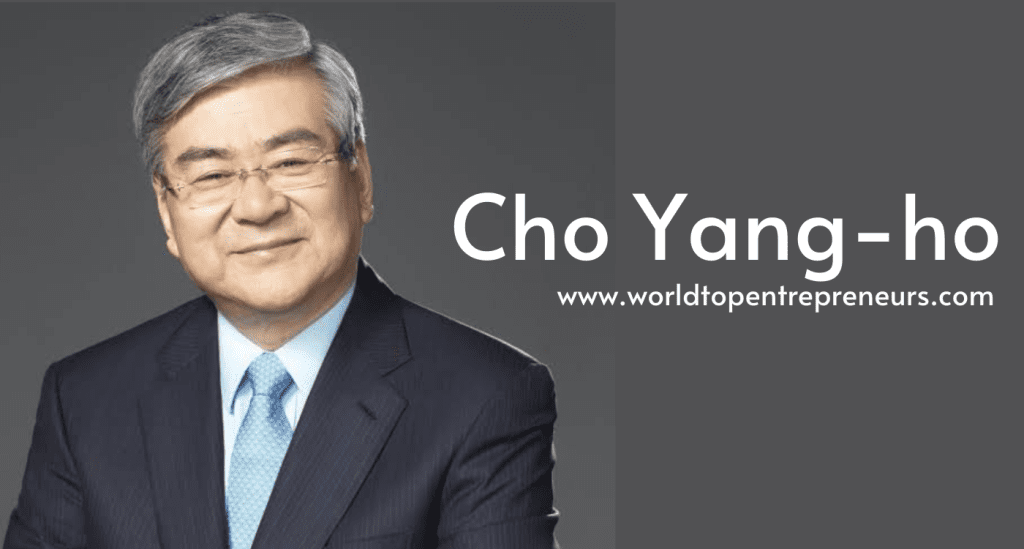
Cho Yang-ho, the late chairman of Korean Air, is one of the most iconic figures in South Korea’s business world. Over his decades-long leadership, Cho transformed Korean Air into one of the world’s leading airlines. His strategic vision, commitment to innovation, and ability to adapt to global challenges helped shape the airline into a globally recognized brand. Known for expanding the airline’s international presence and making significant advancements in technology and customer service, Cho played a critical role in building Korean Air into a symbol of South Korean economic success. This blog delves into Cho Yang-ho’s journey, his leadership at Korean Air, and his legacy in the global aviation industry.
Early Life and Background of Cho Yang-ho
Cho Yang-ho was born in 1949 into a family already involved in business. His father, Cho Hoon-ki, was the founder of Hanjin Group, the conglomerate that owns Korean Air, as well as several other key subsidiaries in logistics, hospitality, and transportation. Cho grew up understanding the value of hard work and entrepreneurial spirit, which would later influence his approach to business.
He graduated from Korea University in 1970 with a degree in business administration before continuing his studies in the United States, earning a master’s degree in business administration from Pepperdine University. His education in both South Korea and the U.S. provided him with a strong foundation in global business practices, which would later inform his approach to leading Korean Air in the international arena.
Leadership at Korean Air
The Rise of Korean Air Under Cho Yang-ho
Cho Yang-ho joined Korean Air in the 1970s, initially holding key managerial roles within the company before assuming leadership positions. In 1992, he was appointed CEO of the airline and later became Chairman of Korean Air in 1999. Cho’s leadership marked a significant turning point for the airline. During his tenure, Korean Air transitioned from a regional player to a global aviation leader, expanding its international routes and enhancing its services.
One of Cho’s first major tasks was modernizing the airline’s fleet, which had become outdated. He made substantial investments in new aircraft and introduced cutting-edge technology to improve the passenger experience. His commitment to quality and service would become the hallmark of Korean Air’s growth, as the airline quickly built a reputation for exceptional service in both first-class and economy cabins.
Expansion and Globalization
Under Cho Yang-ho’s leadership, Korean Air became an essential player in the global aviation industry. One of his most important decisions was to expand the airline’s international routes and focus on the global market, particularly in North America, Europe, and Asia. His vision was to position Korean Air as a global network carrier, ensuring that the airline could compete with industry giants like Singapore Airlines, Cathay Pacific, and Emirates.
Cho focused on enhancing Korean Air’s presence in international airports and integrating it into global alliances such as the SkyTeam alliance. This strategy allowed the airline to offer more travel options, enhance its competitiveness, and leverage economies of scale.
Additionally, Korean Air aggressively entered the cargo sector, leveraging South Korea’s position as a manufacturing powerhouse. By capitalizing on the global demand for efficient and reliable cargo services, Cho transformed Korean Air into a major cargo carrier, helping the airline increase its profitability and cement its reputation as a global logistics leader.
Modernizing the Fleet and Service Innovations
Cho Yang-ho’s vision for Korean Air also included significant investments in technology and aircraft modernization. One of his most notable decisions was to invest in a fleet of new, fuel-efficient aircraft, including the Boeing 777 and Airbus A380. These new aircraft not only improved the airline’s operational efficiency but also enhanced the overall passenger experience, which played a crucial role in elevating Korean Air’s reputation for excellence.
In addition to fleet modernization, Cho implemented several service innovations that set Korean Air apart from its competitors. Under his leadership, the airline introduced services such as personalized inflight entertainment and luxurious first-class suites, which catered to the growing demand for premium travel experiences.
Cho also led efforts to develop Korean Air’s in-flight dining program, making it one of the most renowned among airlines. The airline worked with top chefs to create menus that reflected Korean culinary traditions, while also catering to international tastes. These initiatives helped position Korean Air as an airline that valued both comfort and service quality, making it a favorite among business travelers and tourists alike.
Challenges and Legacy
Navigating Financial Crises and Competition
Cho Yang-ho’s tenure at Korean Air was not without challenges. The airline faced numerous financial crises, including the Asian financial crisis in the late 1990s, which severely impacted many South Korean companies. Despite these challenges, Cho’s leadership ensured that Korean Air emerged from the crises stronger and more resilient.
Another major challenge for Cho was the growing competition from low-cost carriers (LCCs), particularly in Asia. These LCCs presented a serious threat to Korean Air’s dominance, as they offered budget-friendly options for passengers. However, Cho responded by differentiating Korean Air through its premium services and focusing on international markets and long-haul flights, where the competition from LCCs was less intense.
During his leadership, Cho Yang-ho also prioritized corporate governance, enhancing the transparency and accountability of Korean Air’s operations. His leadership style was characterized by a focus on long-term goals, even when short-term challenges appeared insurmountable.
The Legacy of Cho Yang-ho
Cho Yang-ho passed away in 2019, leaving behind a legacy that will continue to influence Korean Air and the global aviation industry for years to come. His vision of Korean Air as a global leader in aviation, combined with his commitment to excellence in service and operations, has solidified his place as one of South Korea’s most influential business figures.
Today, Korean Air remains one of the top airlines globally, with a network spanning continents, a world-class fleet, and a reputation for quality and service. Cho’s impact on the airline and the aviation industry at large cannot be overstated, as he not only led the company to new heights but also laid the foundation for its continued success in the competitive global market.
Conclusion
Cho Yang-ho’s legacy as the Chairman of Korean Air is one of vision, innovation, and resilience. His leadership transformed Korean Air from a regional airline into a global powerhouse, with a reputation for premium service and world-class operations. By expanding its international routes, modernizing its fleet, and enhancing its customer offerings, Cho Yang-ho ensured that Korean Air would remain a key player in the global aviation industry for decades to come.
Cho’s remarkable ability to navigate challenges, build strategic partnerships, and drive continuous innovation has left an indelible mark on the airline and South Korea’s business community. His vision for Korean Air will continue to guide the airline as it adapts to the evolving demands of global travel.