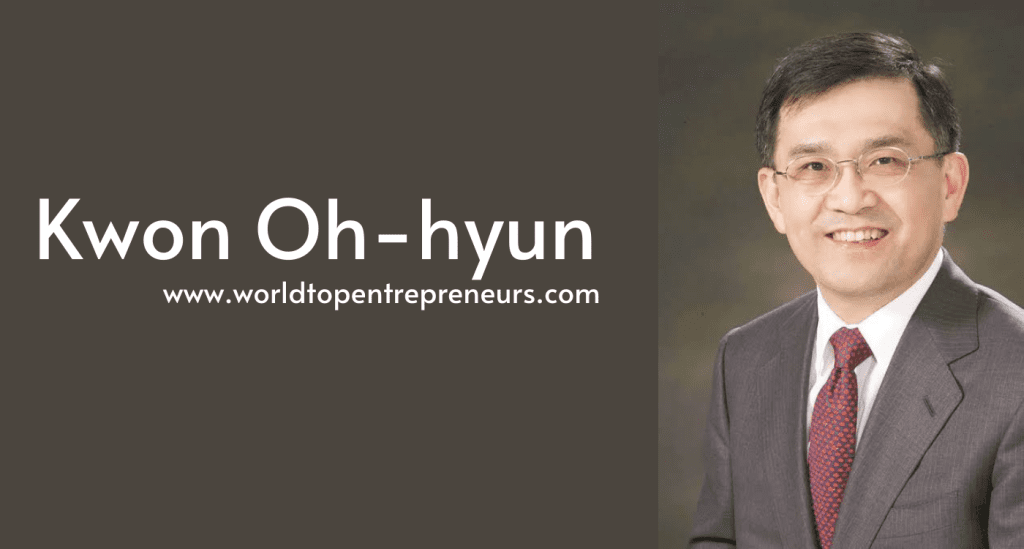
Kwon Oh-hyun, a key figure in the global technology sector, is best known for his transformative leadership at Samsung Electronics. Serving as the Vice Chairman and CEO of the company, Kwon played a pivotal role in shaping Samsung into the world leader in semiconductor technology, smartphones, and consumer electronics. His leadership style, innovative mindset, and strategic foresight were instrumental in propelling Samsung to its dominant position in the global market. This blog delves into Kwon Oh-hyun’s journey, his leadership at Samsung, and the legacy he left behind as one of the foremost figures in the tech industry.
Early Life and Education
Kwon Oh-hyun was born in 1952 in South Korea. From an early age, Kwon demonstrated an aptitude for academics and an interest in technology. After completing his high school education, Kwon pursued his undergraduate degree in electrical engineering at Seoul National University, one of South Korea’s most prestigious institutions. His strong academic foundation would set the stage for a career in the rapidly growing field of technology.
Kwon’s ambition did not stop there; he furthered his education by moving to the United States, where he earned a Master’s degree and a Ph.D. in electrical engineering from Stanford University. His time at Stanford exposed him to cutting-edge research and developments in semiconductor technology, which would later influence his approach to business and innovation.
Joining Samsung Electronics
Kwon Oh-hyun joined Samsung Electronics in 1985 as a young engineer, at a time when the company was still largely focused on consumer electronics. He began his career in the semiconductor division, where he would spend the majority of his time building a reputation as a brilliant innovator and leader. Samsung, at the time, was not yet a dominant force in the semiconductor market, but Kwon’s keen technical expertise and leadership potential quickly became apparent.
Kwon was a key figure in Samsung’s rise to prominence in the semiconductor industry. His deep understanding of semiconductor technology, combined with his knack for strategic vision, would play a central role in transforming Samsung Electronics into the world’s leading supplier of memory chips, display panels, and other key components used in modern technology.
Leadership at Samsung Electronics
Becoming Vice Chairman and CEO
Kwon Oh-hyun’s journey through Samsung’s ranks culminated in his appointment as the Vice Chairman and CEO of Samsung Electronics in 2012, a position he held until his departure in 2018. His leadership was marked by a combination of technical expertise and corporate foresight that helped Samsung weather challenges and take advantage of market opportunities.
At the time of his appointment, Samsung was already one of the leading global players in the consumer electronics and semiconductor industries. However, Kwon’s vision and leadership were crucial in ensuring the company remained at the forefront of technological innovation.
Pioneering Advances in Semiconductor Technology
Kwon Oh-hyun’s most significant contributions to Samsung were in the semiconductor business. Under his leadership, Samsung Electronics became a dominant player in the memory chip market, producing DRAM (dynamic random-access memory), NAND flash memory, and system semiconductors that power many of the world’s smartphones, computers, and consumer devices.
Samsung’s semiconductor division, guided by Kwon’s vision, gained a competitive edge by investing heavily in research and development (R&D). He recognized early on that the key to staying ahead in the semiconductor industry was continuous innovation. Kwon focused on improving the efficiency of production processes and increasing the density and performance of chips, which led to breakthroughs in the production of next-generation memory.
Samsung’s leadership in DRAM and NAND flash memory—two essential components for smartphones, tablets, and other electronics—was largely due to Kwon’s efforts. His leadership helped Samsung Electronics secure its position as the global leader in semiconductor technology, a title the company continues to hold today.
Transforming Samsung’s Mobile Business
Another cornerstone of Kwon’s leadership was his role in transforming Samsung’s mobile division. Samsung had entered the smartphone market relatively late compared to competitors like Apple, but Kwon recognized the importance of mobile technology and quickly adapted Samsung’s strategy to compete.
Samsung’s early success in smartphones was driven by Kwon’s emphasis on research and development. Under his leadership, Samsung took the bold decision to move into the Android ecosystem by introducing its Galaxy series of smartphones. The Galaxy S series, launched in 2010, quickly became a global sensation and helped Samsung become one of the world’s largest smartphone manufacturers.
Kwon was also instrumental in expanding Samsung’s product portfolio, ensuring that the company offered a wide range of mobile devices at various price points. From high-end smartphones to more affordable models, Samsung catered to a wide audience and successfully captured significant market share.
Expansion in Display Technology
In addition to semiconductors and mobile devices, Kwon also focused on display technologies. Samsung is now a leader in OLED and QLED display technology, and Kwon’s leadership played a critical role in pushing the company forward in this area.
Samsung’s display division, which produces high-quality screens used in smartphones, televisions, and monitors, became one of the company’s most profitable sectors. Kwon’s vision in creating cutting-edge display technologies set Samsung apart from its competitors in the consumer electronics space. The company’s OLED screens became a key differentiator in Samsung smartphones, setting a new standard for display quality.
Challenges and Legacy
Navigating the Leadership Transition
Kwon Oh-hyun faced numerous challenges during his tenure, particularly in navigating the leadership transition following the departure of Lee Kun-hee, the former chairman of Samsung. Kwon took on the challenge of leading Samsung through a period of uncertainty, both in terms of internal company dynamics and external market pressures.
Despite challenges such as intense competition in the smartphone market and the cyclical nature of the semiconductor industry, Kwon was able to steer Samsung Electronics toward continued growth and profitability.
In 2018, Kwon announced that he would be stepping down as CEO, citing personal reasons and the company’s need for a new generation of leadership. However, his legacy is firmly entrenched in the global tech landscape. Samsung’s current dominance in semiconductor technology, smartphones, and display innovations is a testament to Kwon’s strategic direction during his leadership.
The Impact of Kwon’s Leadership
Kwon Oh-hyun’s legacy at Samsung Electronics is marked by his relentless pursuit of innovation and excellence. Under his leadership, Samsung evolved from being a diverse conglomerate into a global technology giant with a focus on cutting-edge products that shape the modern world. His leadership principles, rooted in strong technical foundations and a keen understanding of market dynamics, helped propel Samsung into a position of global leadership.
Today, Samsung continues to be a dominant force in the technology sector, thanks to the groundwork laid by Kwon Oh-hyun. Whether in semiconductors, smartphones, or displays, Samsung’s position as a market leader is a direct result of the vision and leadership he brought to the company.
Conclusion
Kwon Oh-hyun’s contributions to Samsung Electronics are immeasurable. His leadership helped transform Samsung into a global powerhouse in the tech industry, with innovations that have shaped the consumer electronics, mobile, and semiconductor markets. Kwon’s ability to anticipate technological trends and lead with foresight has left a lasting legacy that continues to drive Samsung forward today. His career stands as a testament to the power of innovation, dedication, and strategic vision in the ever-evolving world of technology.